
On many Mediterranean islands, water follows a quiet but persistent rhythm. In winter, it arrives in abundance, filling streams and softening the landscape. By summer, it retreats. Reservoirs shrink, aquifers are pushed harder, and the land begins to feel the weight of absence. Between these two extremes, pressure builds on systems, on communities, on the fragile balance that holds everything together.
However, in several places -like Greece, this rhythm is no longer predictable. Rain falls less often but more intensely. Droughts stretch longer. Floods arrive suddenly, almost violently. And just as water becomes scarce, demand peaks. What once felt cyclical now feels uncertain.
It is within this shifting landscape that nature-based solutions begin to take root not as an isolated infrastructure, but as a necessity. Constructed wetlands, bioswales, raingardens: these are not just technical interventions, but quiet collaborations with nature. They clean water, store it, reuse it, and return it to the system, all while consuming less energy and adapting to the tight spatial realities of islands.
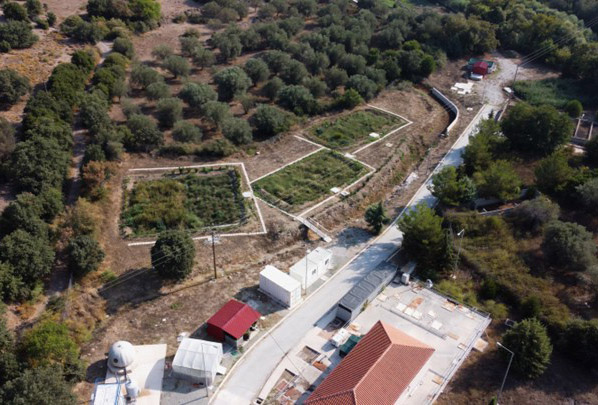
Figure 1. Constructed wetlands on Lesvos island, Greece
Their value is also visual, spatial, and ecological. Unlike conventional infrastructure that often sits apart from its surroundings, nature-based solutions can blend into the island landscape. A wetland can become part of a valley floor. A bioswale can follow the edge of a road or footpath. A retention pond can sit within agricultural land, supporting vegetation, wildlife, and seasonal change. These systems do not seek to dominate the landscape; they can soften it, repair it, and make water visible again in ways that feel familiar rather than imposed.
But their real strength lies elsewhere. Across projects and places, one lesson keeps emerging: nature-based solutions do not succeed simply because they are designed with nature in mind. They succeed because they are rooted in people.
This becomes tangible in places like Skiathos island in Greece, where a new story is unfolding, through NURISH: The island is being reimagined as a Resilience Hub: a place where water, nature, and community are reconnected. Water is no longer treated as waste or risk alone, but as a resource to be captured, cleaned, and reused. Urban wastewater is treated through low-energy, nature-based systems. Rainwater and flood flows are collected and stored. Streams are rethought, not as threats, but as contributors to a wider system that can support agriculture and, crucially, fire protection in a landscape increasingly exposed to wildfires. For the first time, natural systems are being used to channel and store water specifically for firefighting, strengthening the island’s readiness in moments of crisis.
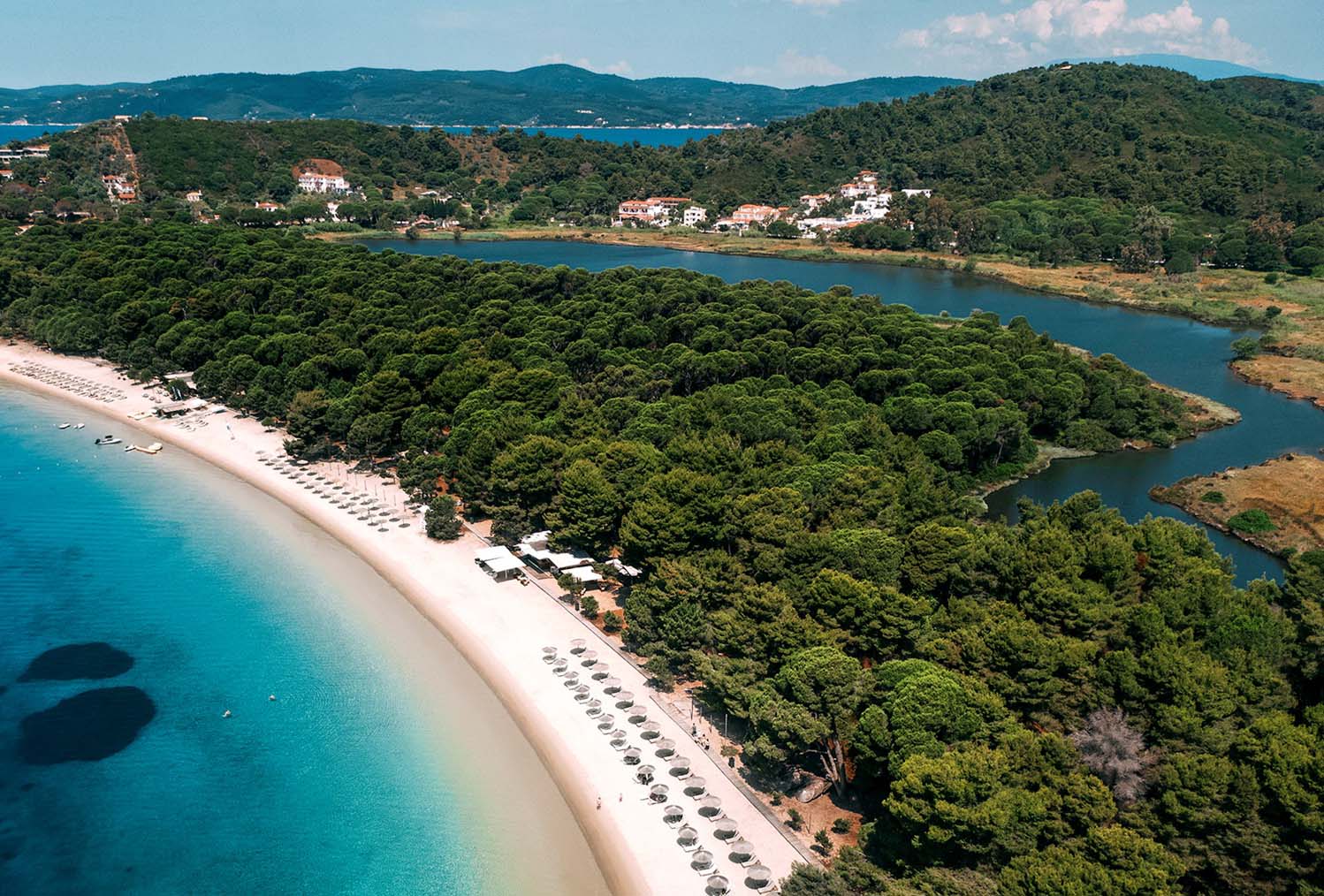
Figure 2. Koukounaries beach and Strofylia lagoon in Skiathos island
Just as importantly, these interventions can be designed to belong to the place. Local stone, native plants, existing terraces, natural slopes, and traditional water paths can guide their form. Instead of replacing the island’s character, nature-based solutions can work with it following contours, restoring vegetation, and creating spaces that are functional, accessible, and recognizable to the people who live there. In this way, water infrastructure becomes part of the landscape, not an interruption of it.
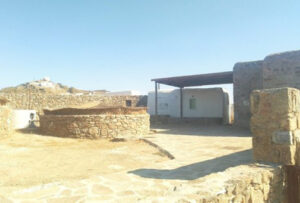
Figure 3. Sub-surface rainwater harvesting storage tank in Myconos island, Greece
But the success of the system does not depend only on engineering. Nature-based systems are living systems. They grow, evolve, and respond to their surroundings. Like conventional infrastructure, they cannot simply be installed and forgotten. They require attention, understanding, and care. And where communities are involved, something changes. Systems become more aligned with local realities. They are maintained with intention, not obligation. Knowledge is shared, not stored away. Infrastructure becomes part of everyday life.
This is not entirely new either in Greece or anywhere else. Greece, for example, carries a long memory of working with water through nature, terraced landscapes that slow runoff, cisterns that capture every drop, small irrigation systems that follow seasonal rhythms, and communities that manage water collectively. What is emerging today is a continuation of the past, enriched by new tools and new urgency.
This connection to memory matters. When nature-based solutions echo familiar forms like terraces, planted channels, stone-lined water paths, shaded basins, they are easier to understand and accept. They feel less like imported technology and more like an evolution of local knowledge and therefore the result are systems that are not only effective, but also culturally grounded.
Islands, often described as vulnerable, begin to reveal another identity. They are places where constraints sharpen creativity, where scale allows experimentation, and where communities can shape change in tangible ways. And in Skiathos, as in other emerging resilience hubs across Europe, this transformation is already underway.
The transition ahead is not only technical. It is cultural. It asks not only how we treat water, but how we relate to it. It invites a shift from systems that extract and discard, to systems that regenerate and return.
Because in the end, the future of water on islands will not be built by nature alone, or by people alone, but by the space where the two meet and work together for a common future.
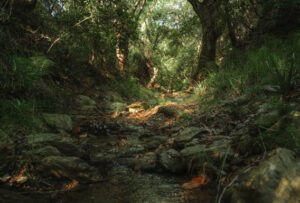
Figure 4. Skiathos «aesthetic forests» are areas of outstanding natural beauty inviting us to reconnect with nature