
The project focus
NURISH Pillars

Building regenerative and climate resilient rural communities
NURISH is structured around four interconnected pillars that guide the project’s actions in the Resilience Hubs and the Resilience Nodes. Together, these pillars create a comprehensive approach that strengthens capacities, encourages collaboration, promotes Nature based innovation and provides digital tools that empower communities to take informed climate adaptation decisions. They are the core of the Regenerative Rural Resilience Framework, which directs the project’s methodology and long term impact.
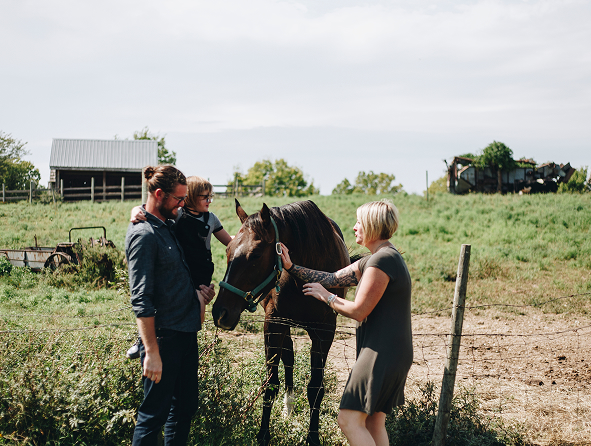


Empowering Skills & Capacities
Focuses on strengthening the knowledge and skills of individuals, organisations and communities, particularly local governments, so they can understand climate risks and design effective adaptation strategies.
These activities help communities create tailored climate strategies and make informed decisions, even with limited resources.
Key outcomes
- Technical training
- Climate risk analysis and planning support
- Digital tools
- Stronger stakeholder collaborations
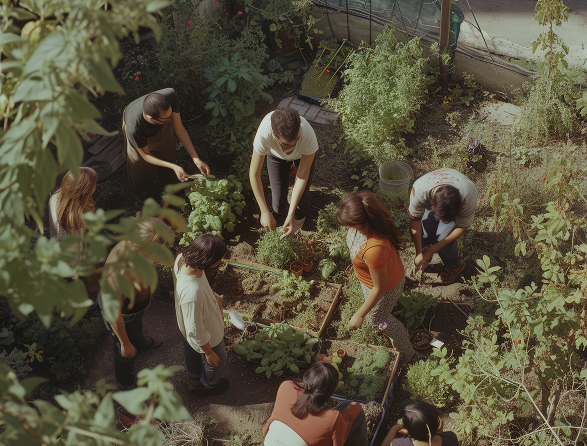


Co-created Systemic Change
Emphasises collaboration across communities, disciplines and sectors as a way to address the complex challenges of climate change. The project engages governments, businesses, NGOs, researchers and citizens in a shared process of co creation.
Key outcomes
- Adaptive and inclusive governance systems
- Integration of scientific knowledge and local experience
- Active citizen contribution to climate adaptation
- Long term resilience and community driven transformation
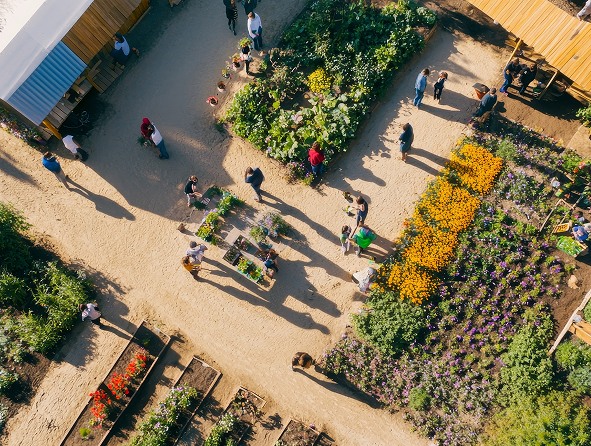


Nature-based Innovation & Economies
Promotes innovative Nature-based Solutions that create environmental, economic and social benefits for rural areas. NURISH integrates NBS into local development strategies by supporting sustainable agriculture, ecosystem restoration, green infrastructure and circular economy practices. The project also strengthens Nature based entrepreneurship, helping communities develop local businesses that are environmentally positive and economically viable.
Key outcomes
- Targeted training and support
- Tools for rural actors to create greener jobs
- Improved resource management
- Contribution to nature positive local economies



Digital Tools for Regenerative Rural Resilience
Digital technologies to help rural communities better understand climate risks, visualise environmental changes and explore adaptation options. The NURISH digital toolset includes real time climate monitoring systems, data integration methods, scenario analysis tools, immersive XR applications and regional Digital Twins.
Key outcomes
- Simplified understanding of complex information
- Facilitated informed decision making processes
- Knowledge sharing between Resilience Hubs and Nodes
- Integration of local insights with digital solutions for enhanced community resilience
See the pillars in the field
Discover how NURISH applies these pillars across its Resilience Hubs and Nodes throughout Europe.