
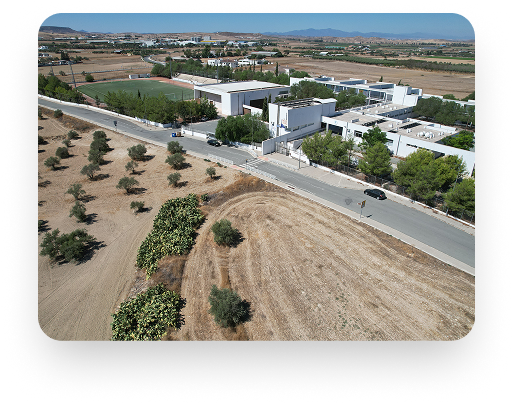

Resilience hub 2
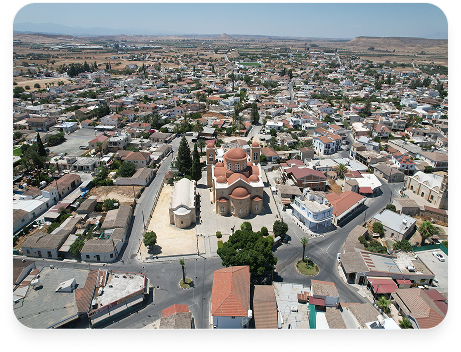
Athienou
Cyprus
Reversing desertification and rebuilding soil fertility through circular green waste management.

About Athienou

Athienou is located within the UN buffer zone and is highly vulnerable to desertification. Cyprus is one of the European regions most affected by land degradation, with areas classified as very sensitive to desertification expected to increase significantly by 2050.
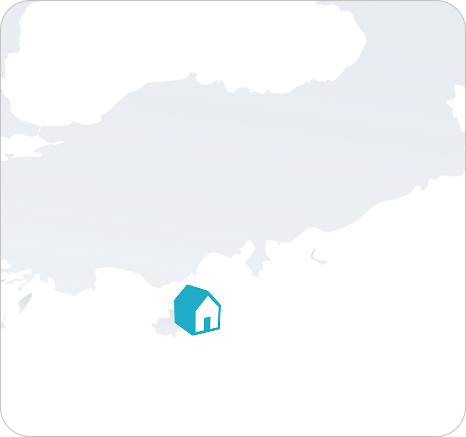
Climate Context
Key Challenges
Desertification
Cyprus faces some of Europe's highest desertification risk, with sensitive areas continuing to expand.
Soil Fertility loss
Degraded soils reduce agricultural yields, biodiversity, and the land's capacity to retain water.
Intensifying Drought
Climate change is increasing drought frequency and severity, threatening water and crop availability.
Waste Mismanagement
Poorly managed green waste misses opportunities for circular nutrient recovery and soil restoration.

Solutions
Circular green waste for soil restoration
NURISH implements a circular symbiotic green waste management scheme that transforms agricultural and organic waste into compost and soil amendments. The initiative promotes composting, rebuilds degraded soils, and engages local farmers as co-designers creating a community-owned model for regenerative land use.
- Circular waste model: Replicable scheme for green waste collection, composting, and soil amendment production.
- Soil health indicators: Measurable improvements in organic matter, water retention, and microbial biodiversity.
- Desertification reversal: Evidence of NbS effectiveness in halting land degradation in arid contexts.
- Community capacity: Local training and engagement programmes for long-term circular land management.
Other Resilience Hubs


Explore the Pillars
See how these frameworks are applied through NURISH’s Pillars.