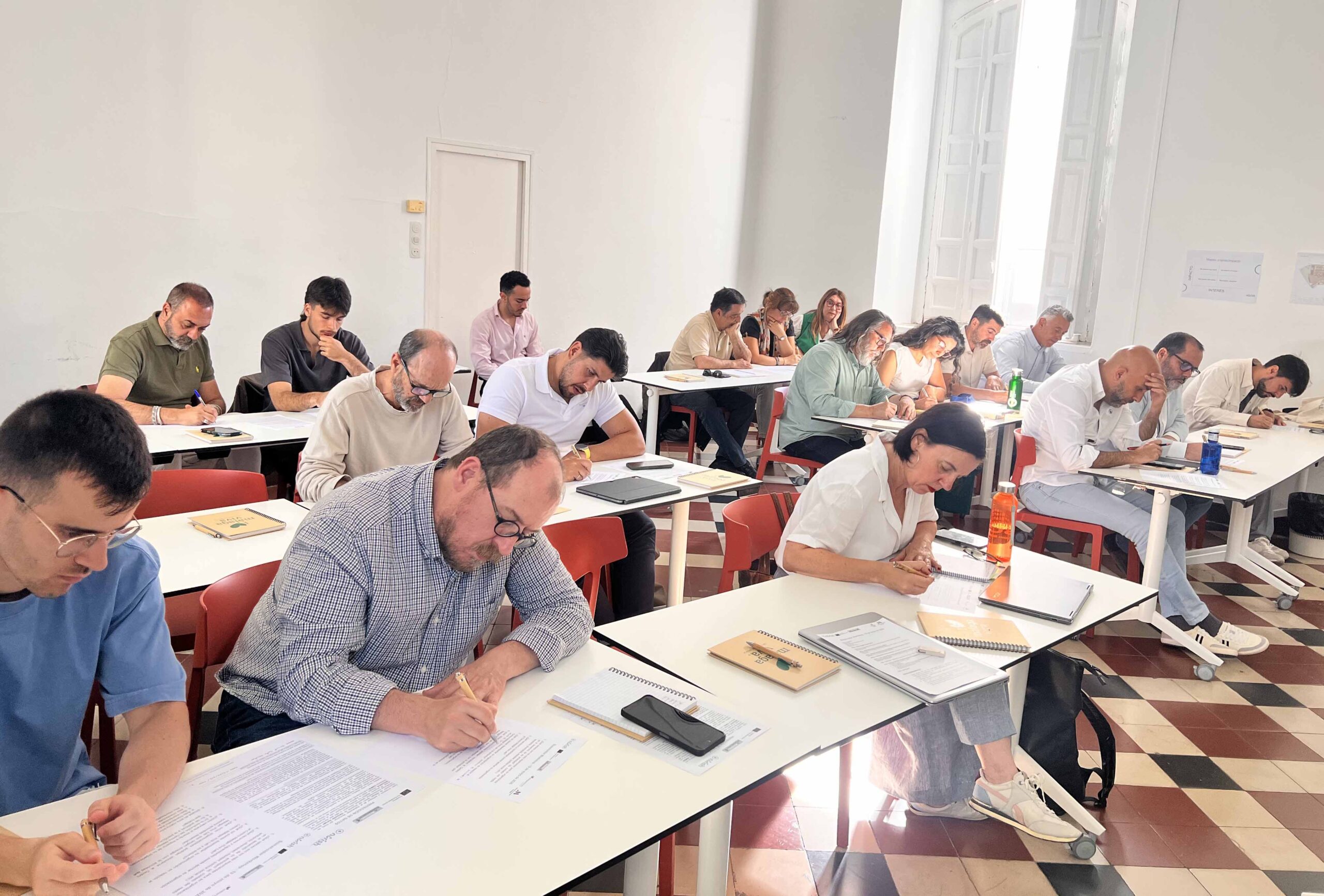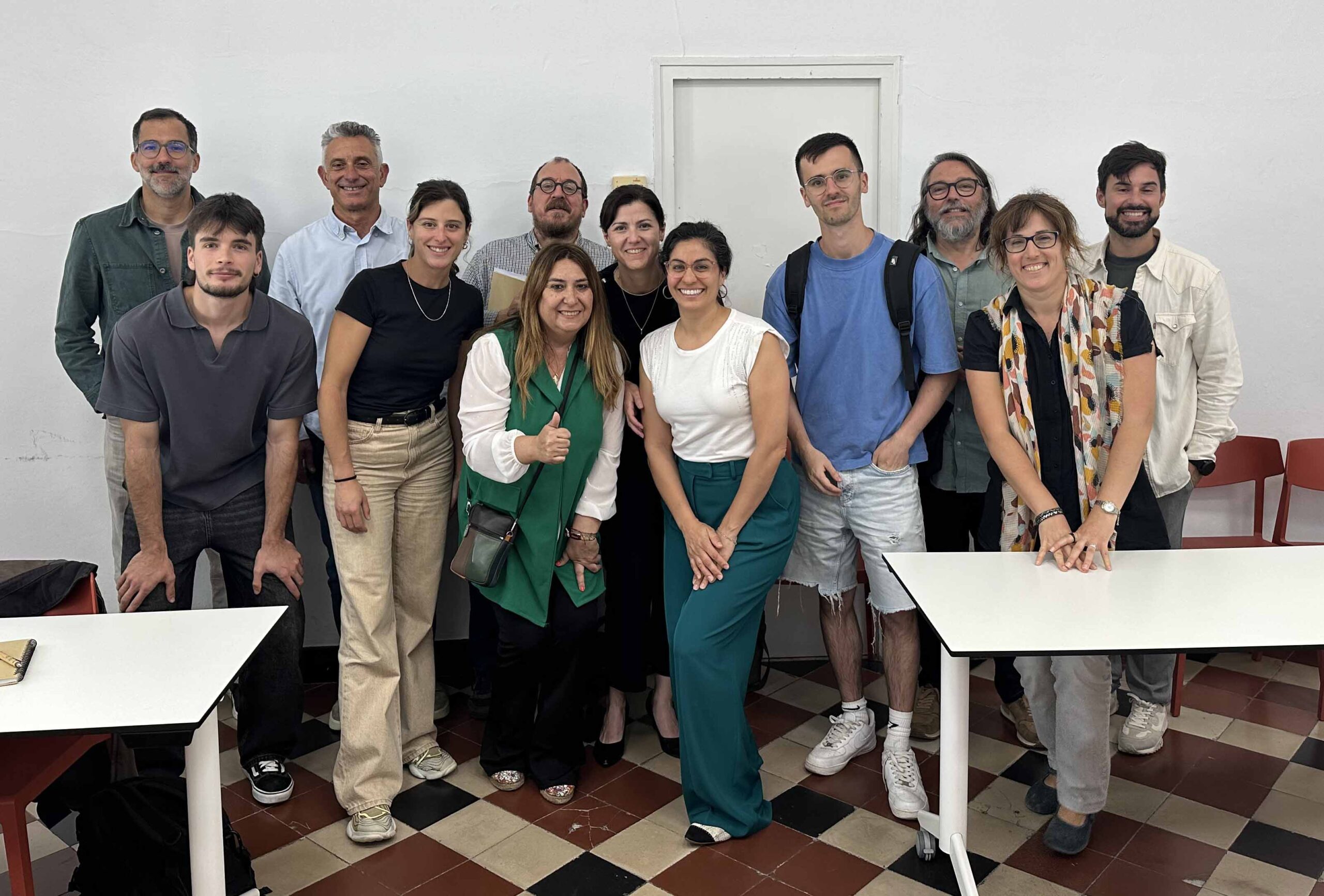
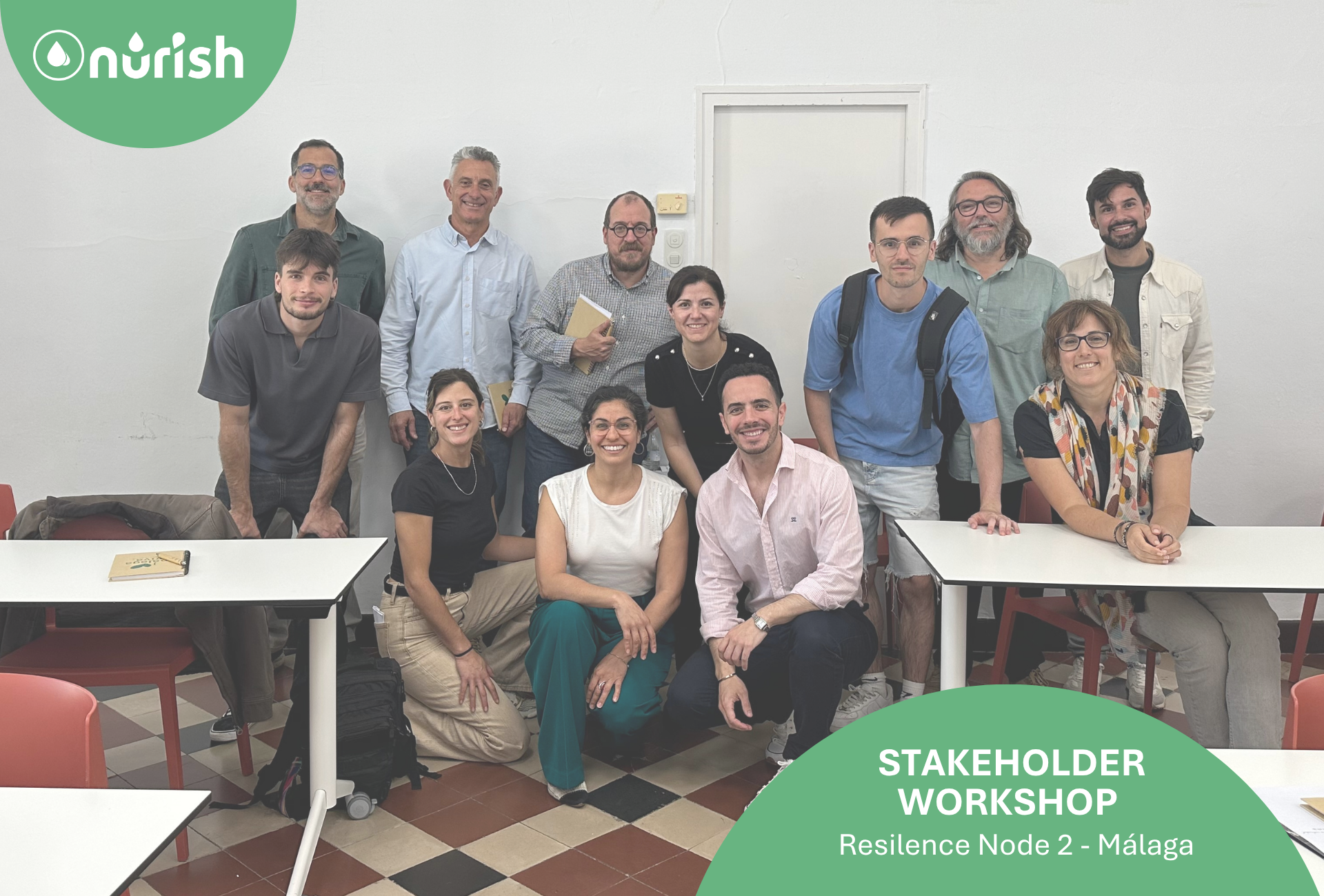
As part of the NURISH Stakeholders Workshops series, local and regional stakeholders gathered in Málaga to explore opportunities for collaboration, identify local needs, and contribute to the development of the Resilience Node 2 (RN2) within the NURISH project.
Organised by Diputación de Málaga and BIOAZUL, the workshop brought together representatives from organisations working in environmental management, rural development, climate adaptation, innovation, and territorial planning. The event took place at La Térmica Cultural Centre, located at the headquarters of the Diputación de Málaga, the partner leading the Resilience Node 2 (RN2). As a collaborative community space that promotes innovation, participation, culture, and sustainability, La Térmica provided the ideal setting for bringing together local stakeholders to exchange ideas and strengthen cooperation.
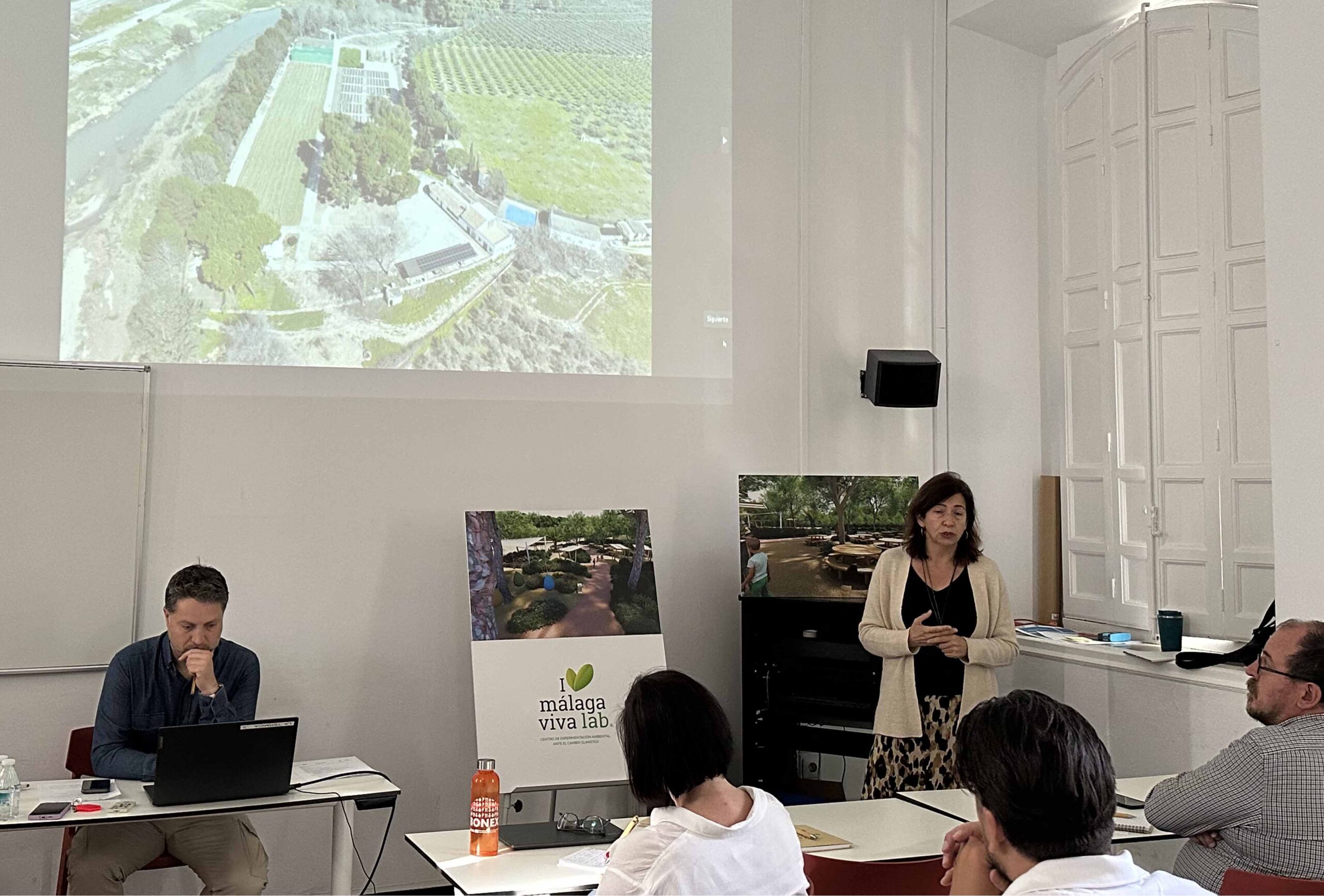
The session began with an introduction to the NURISH project and its vision of strengthening climate resilience in rural communities through Nature-based Solutions (NbS), regenerative practices, capacity building, knowledge exchange, and participatory governance. Participants were also introduced to Málaga’s role as one of the project’s Resilience Nodes, as well as to the Málaga Viva Lab Centre, an environmental experimentation and research centre for climate change in southern Spain promoted by the Diputación de Málaga. The centre will play a key role in supporting knowledge exchange, stakeholder engagement, and the future adaptation of NbS to the specific challenges of the Guadalhorce Green Corridor.
Within NURISH, the RN2 Málaga focuses on the municipalities of Ardales, Álora and Pizarra, an area facing challenges linked to rising temperatures, more intense rainfall events, the need for local climate adaptation measures, biodiversity conservation, and the enhancement of ecological connectivity. The overall objective is to strengthen the territory’s resilience through knowledge exchange, awareness raising, stakeholder engagement, and the future adaptation of NbS to local needs.
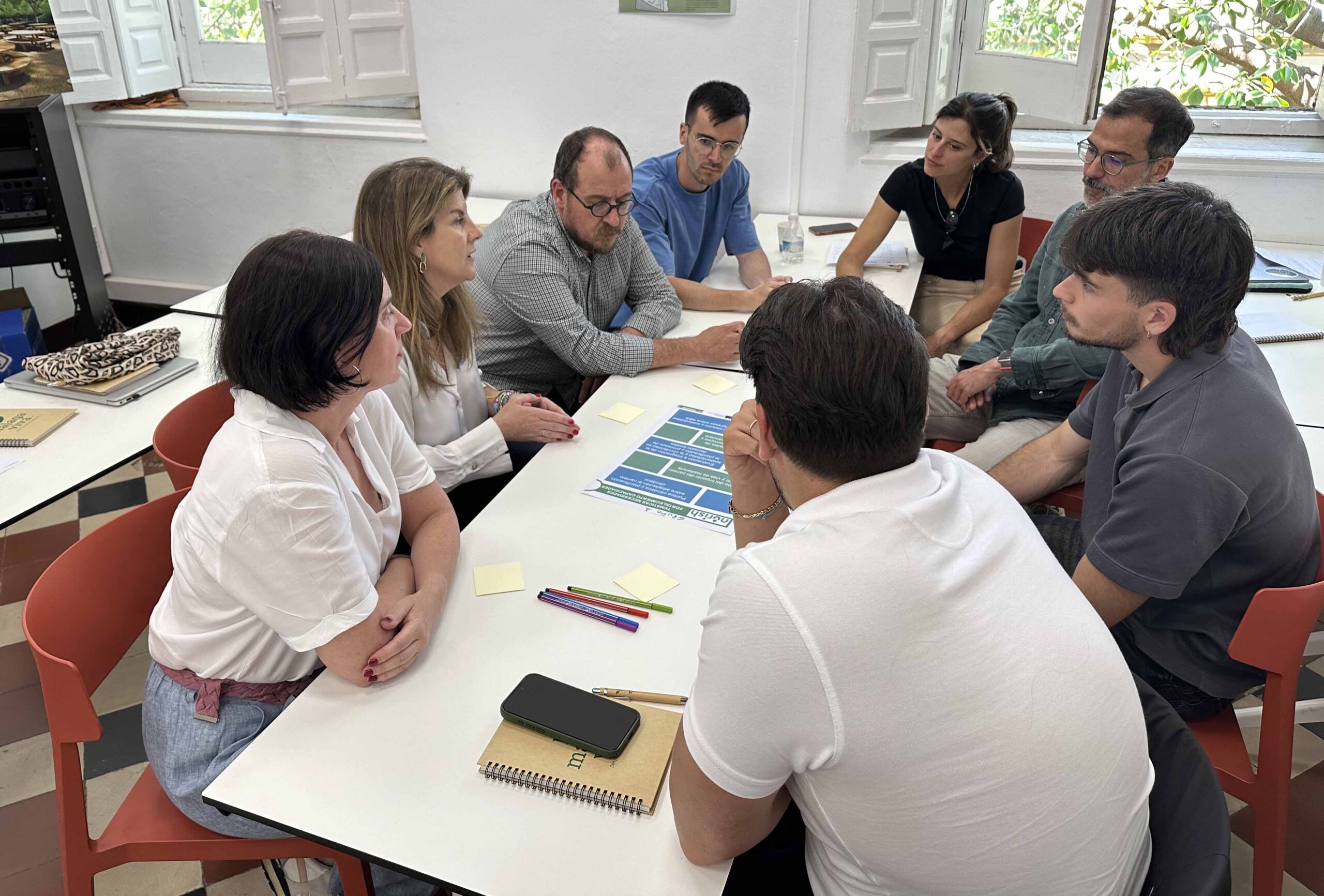
A central part of the workshop focused on stakeholder mapping through a Power–Interest Matrix exercise. Participants reflected on the values guiding their organisations, the resources and capacities they could contribute to the Málaga Viva Lab Centre, and the role they could play in supporting climate resilience initiatives. They also assessed their level of interest and influence regarding the future development of the centre and wider territorial planning processes.
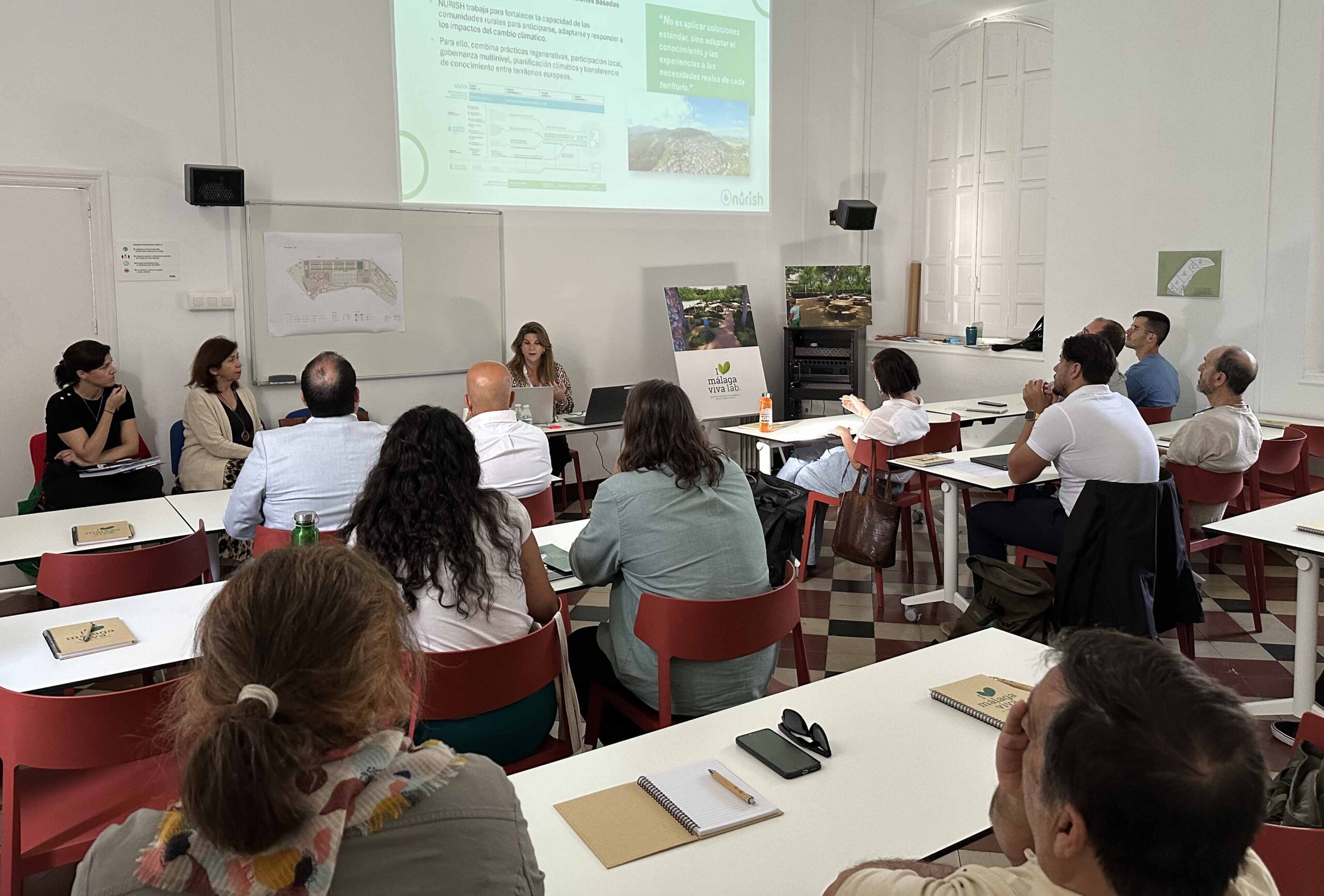
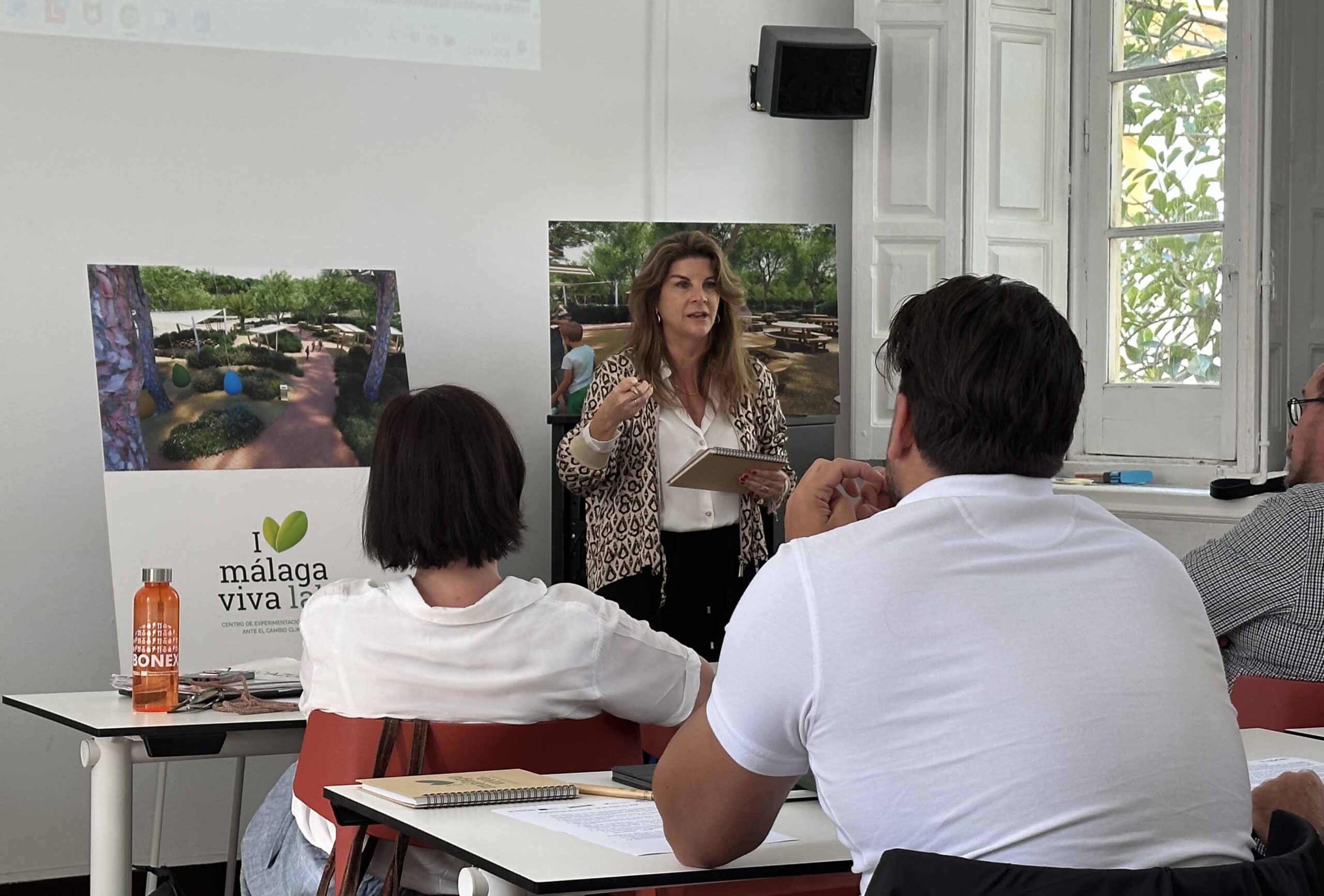
The exercise encouraged discussion on existing collaborations, potential partnerships, and opportunities to strengthen engagement among local actors. Participants also reflected on whether additional organisations should be involved in future activities, helping to identify new stakeholders and broaden the network supporting resilience-building efforts in the region.
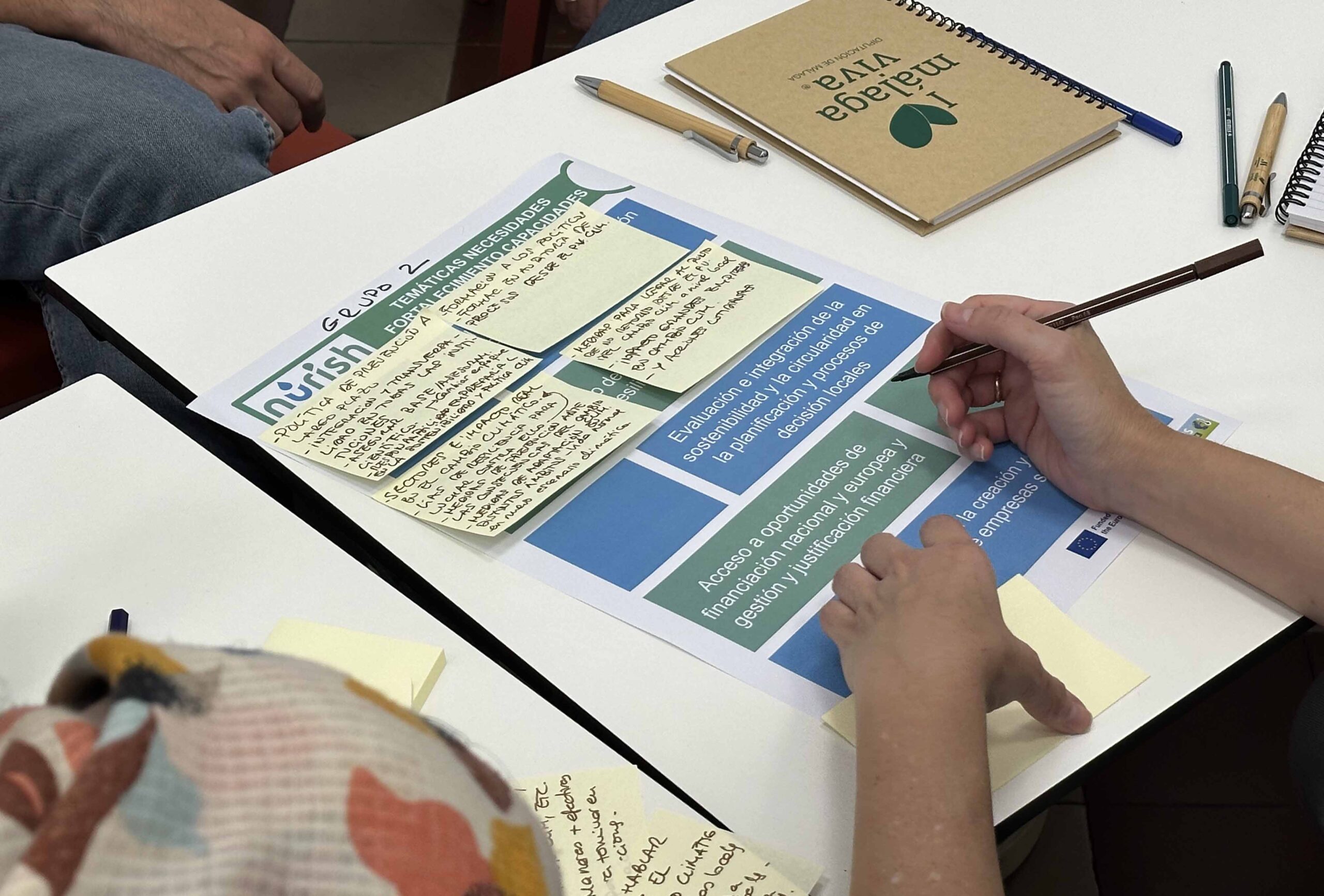
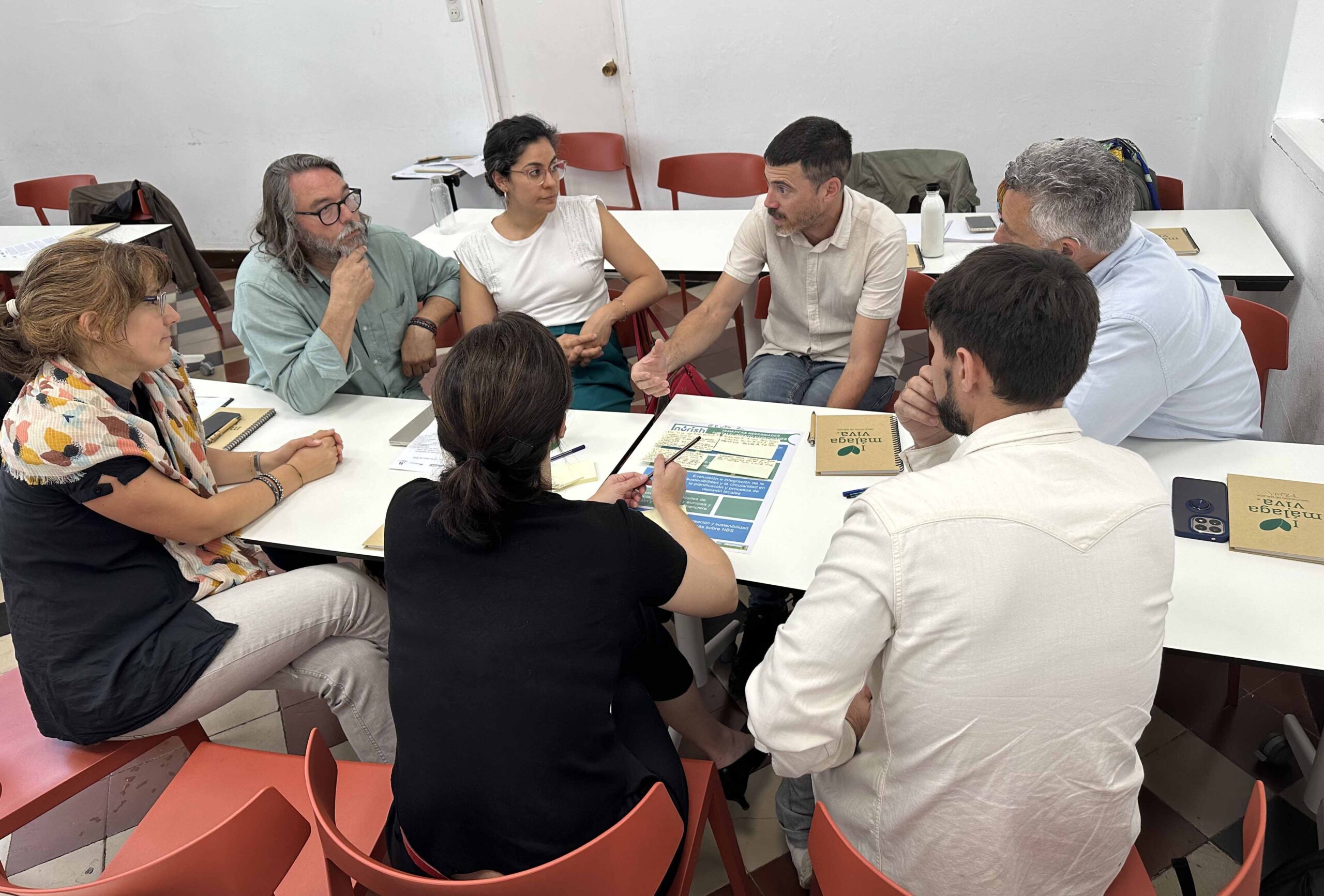
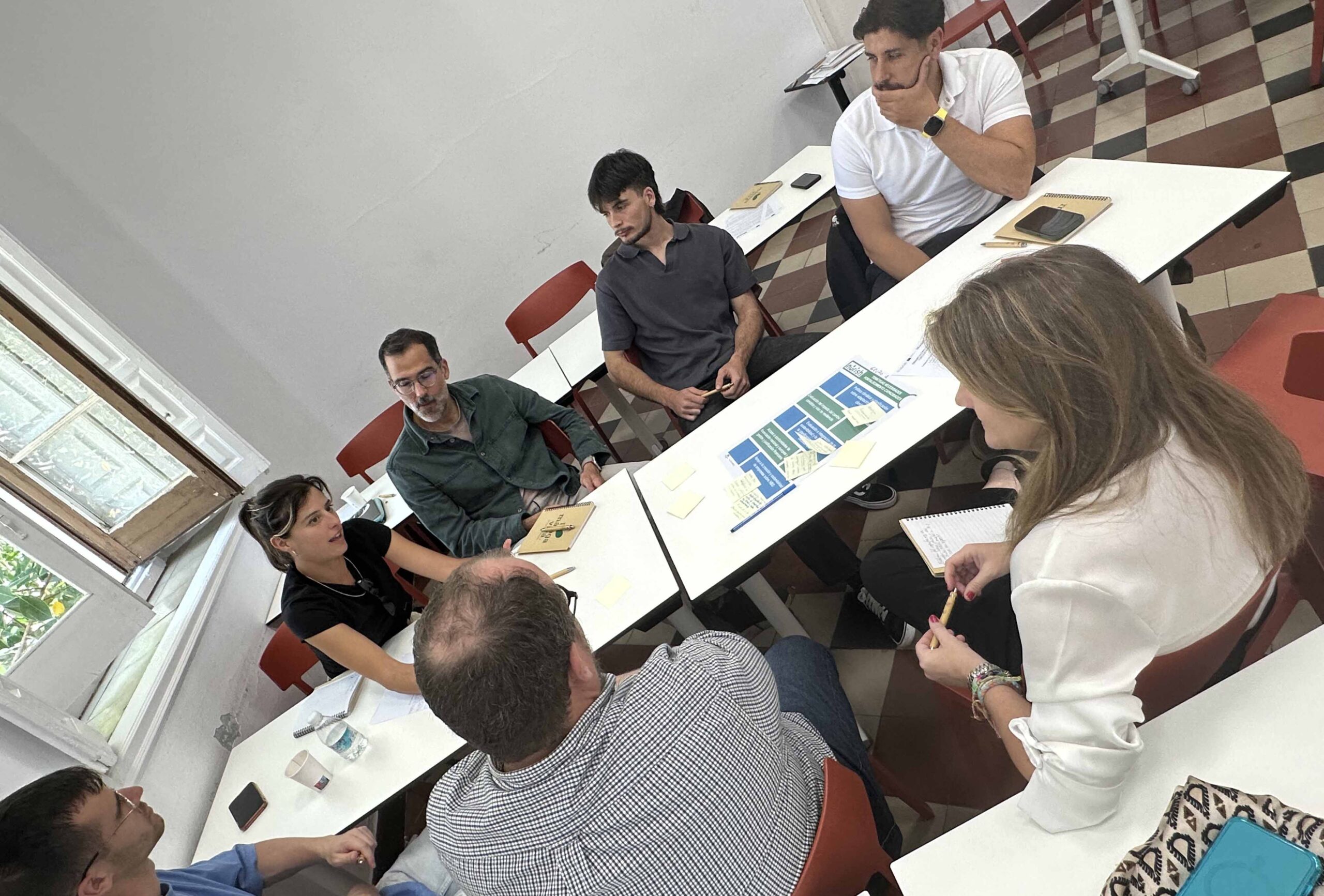
Another key component of the workshop focused on identifying capacity-building needs. Through group discussions, participants explored the knowledge and skills required to support climate resilience actions in the territory. Topics included climate policy and adaptation planning, climate impact assessment and resilience pathways, sustainability and circularity integration, access to funding opportunities, and Nature-based economy models. Stakeholders also proposed additional topics of interest that could be addressed through future NURISH training and knowledge-sharing activities.
The workshop provided an important opportunity to strengthen connections between organisations working across different sectors while creating a shared understanding of the challenges and opportunities facing the Guadalhorce territory. Discussions highlighted the value of collaboration, local knowledge, and participatory approaches in designing effective responses to climate change.
The insights gathered during the workshop will contribute to the future development of the Málaga Resilience Node, supporting the identification of priorities, strengthening local capacities, and fostering cooperation among stakeholders committed to building a more resilient and sustainable territory.