
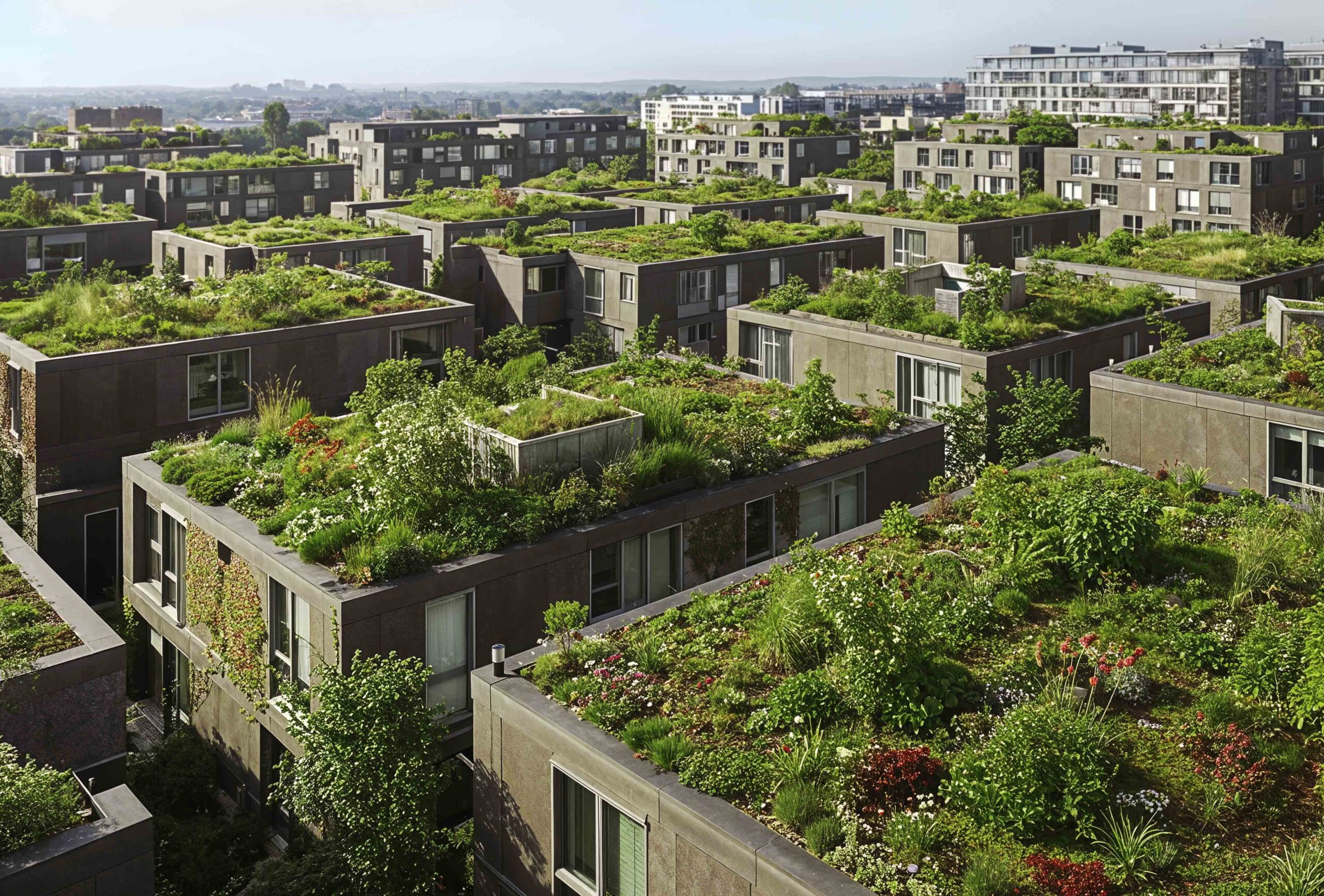
Nature-based Solutions (NbS) are increasingly recognised as one of the most effective ways to address climate change, strengthen water security and halt biodiversity loss. Yet, as their implementation expands across Europe and beyond, an equally important challenge is emerging: understanding how to measure the full value they deliver.
From constructed wetlands and green roofs to sustainable drainage systems, NbS work with natural processes to tackle challenges such as flooding, declining water quality and ecosystem degradation. Unlike conventional grey infrastructure, which is typically designed to solve a single problem, these approaches generate multiple environmental, social and economic benefits at the same time. However, despite growing recognition of their potential, capturing this broad range of impacts remains far from straightforward.
Looking beyond a single benefit
For decades, water infrastructure has been developed to address specific challenges. Flood defences are designed to reduce flood risk, while treatment plants focus on improving water quality, and their performance is generally measured against these individual technical objectives. NbS, however, operate in a fundamentally different way.
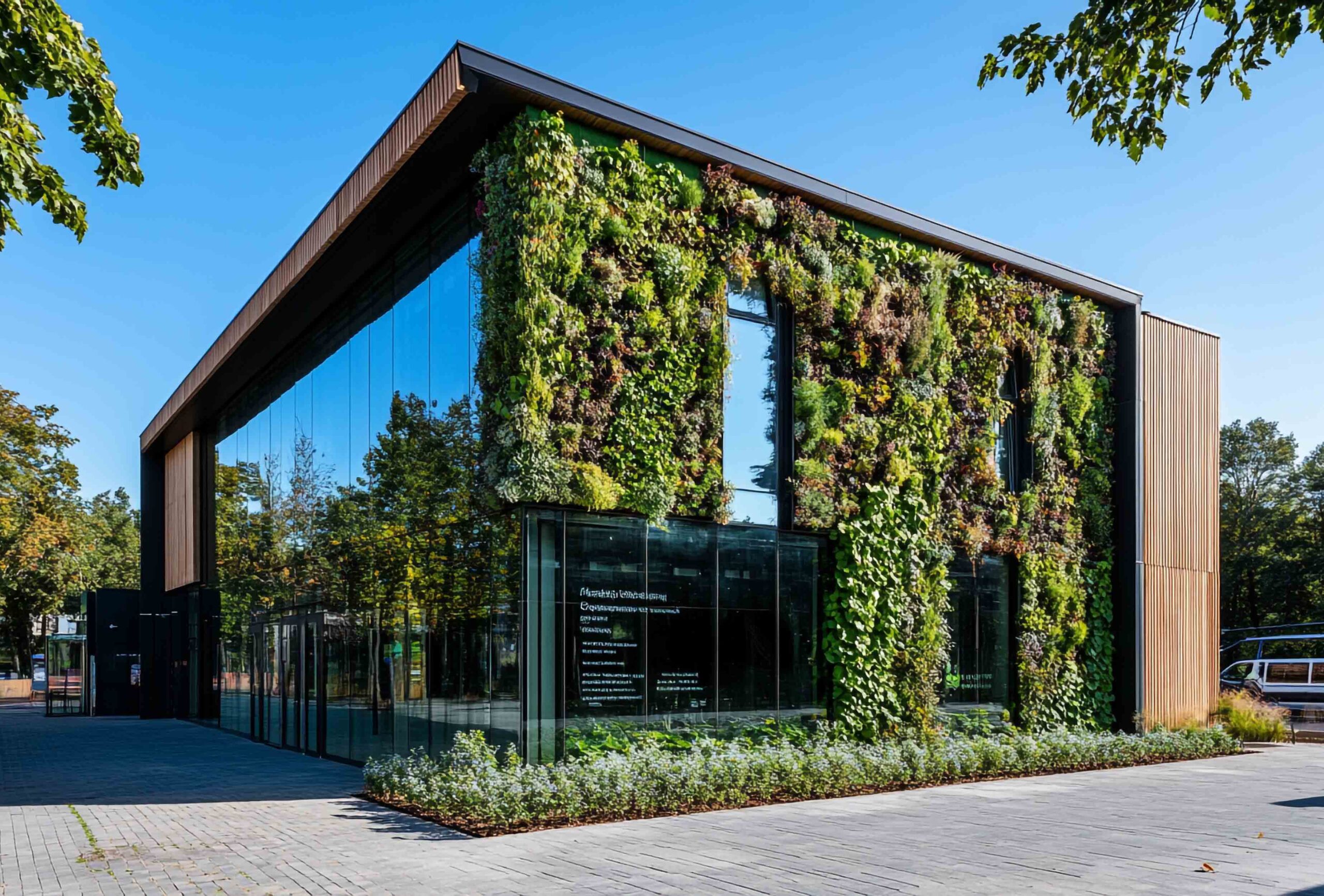
A constructed wetland, for example, can improve water quality while simultaneously enhancing biodiversity, increasing water storage and groundwater recharge, and contributing to ecosystem restoration. Likewise, green roofs not only collect and treat rainwater but also help cool urban environments and improve local liveability. These multiple co-benefits are precisely what make NbS so valuable, yet they are often overlooked by conventional assessment methods that continue to evaluate solutions through a single-purpose lens.
Water as part of a circular system
A recent review paper published in Water Research examines how NbS for water management are currently assessed and whether existing methodologies truly reflect their contribution to more circular water systems. The authors argue that water should no longer be viewed as a linear resource flowing through isolated infrastructures, but rather as part of an interconnected system in which water, nutrients and energy continuously circulate between ecosystems, agriculture, industry and residential areas.
Seen from this perspective, NbS are not isolated interventions but components of integrated water systems that reconnect natural processes with conventional infrastructure. By supporting resource recovery, ecosystem regeneration and the more efficient use of water resources, they contribute to a more circular and resilient approach to water management.
Measuring circularity through a systems approach
A wide range of assessment methods already exists to evaluate the benefits of NbS, including Life Cycle Assessment (LCA), Material Flow Analysis (MFA), water balance methodologies, scenario modelling and economic evaluation tools such as Life Cycle Cost Analysis (LCCA). While each of these approaches provides valuable insights, most capture only one part of the overall picture.
Many existing studies focus on specific objectives such as flood mitigation or improvements in water quality, whereas broader environmental, social and economic benefits tend to be assessed separately or only partially. As a result, the overall contribution of NbS is often underestimated.
A more comprehensive assessment requires moving beyond individual interventions and considering the performance of entire water systems. This means evaluating aspects such as water reuse and resource recovery, biodiversity and ecosystem health, carbon storage, climate regulation, environmental and socio-economic performance, together with the interactions between natural ecosystems and engineered infrastructure. Integrating these complementary approaches within a holistic assessment framework would provide a far more complete understanding of how NbS contribute to circular, climate-resilient water systems while helping decision-makers compare solutions using a broader set of indicators.
What this means for NURISH
Within NURISH, NbS play a central role in strengthening the climate resilience of rural communities. Achieving this ambition requires more than implementing effective solutions in the field; it also depends on understanding, measuring and demonstrating the full range of environmental, social and economic benefits they provide.
Research such as this helps build the scientific evidence needed to support better decision-making, guide future implementation and maximise the value that NbS can deliver for both people and nature. As investment in these solutions continues to grow, understanding what to measure, and how to measure it, will become just as important as the solutions themselves.


Reference
Nika, C.E., Gusmaroli, L., Ghafourian, M., Atanasova, N., Buttiglieri, G. & Katsou, E. (2020). Nature-based solutions as enablers of circularity in water systems: A review on assessment methodologies, tools and indicators. Water Research, 183, 115988. https://doi.org/10.1016/j.watres.2020.115988