
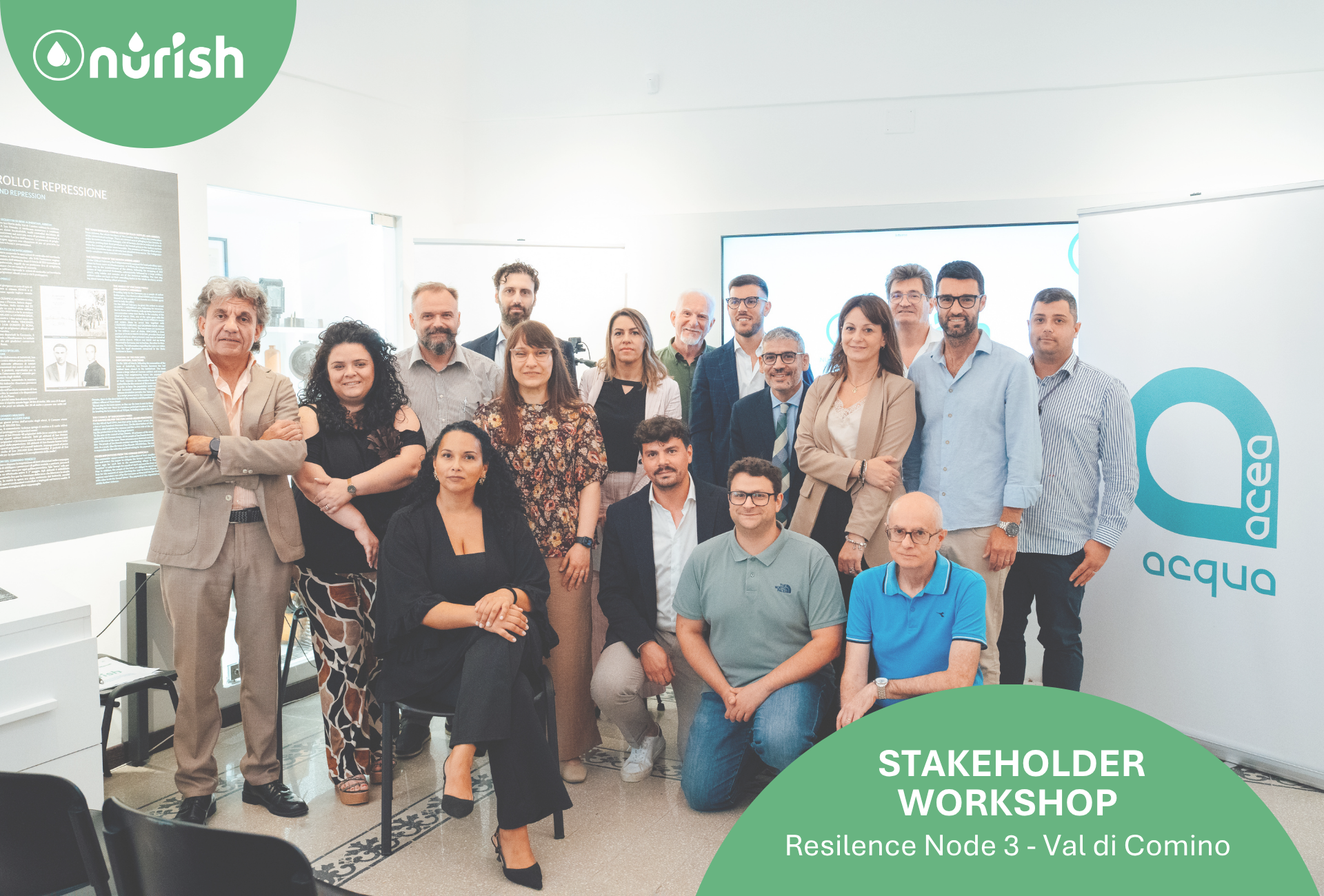
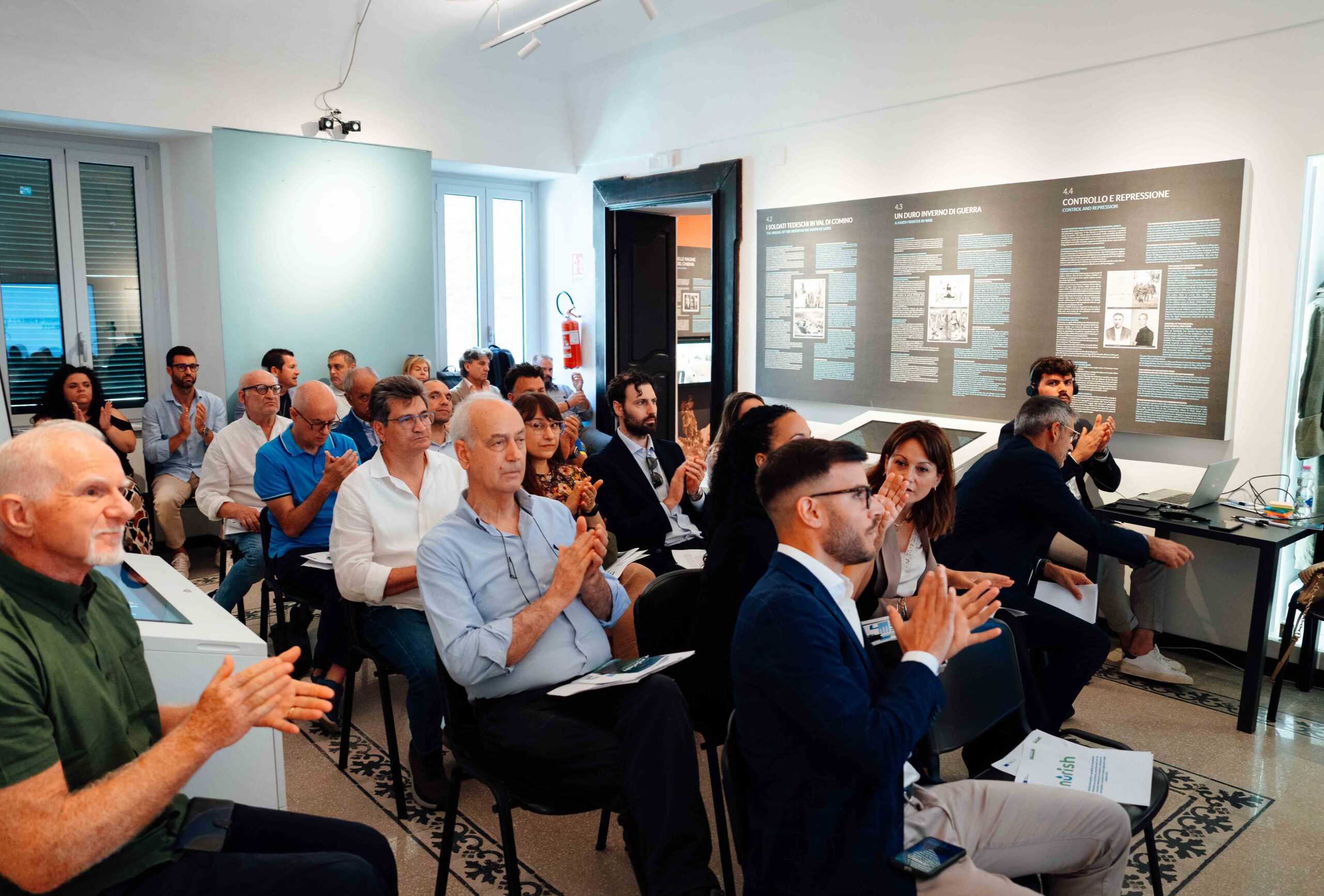
Local stakeholders from across Valle di Comino gathered in San Donato Valle di Comino, Italy, for the NURISH Stakeholder Workshop, aimed at identifying local priorities, exploring opportunities for collaboration, and supporting the development of Resilience Node 3 (RN3).
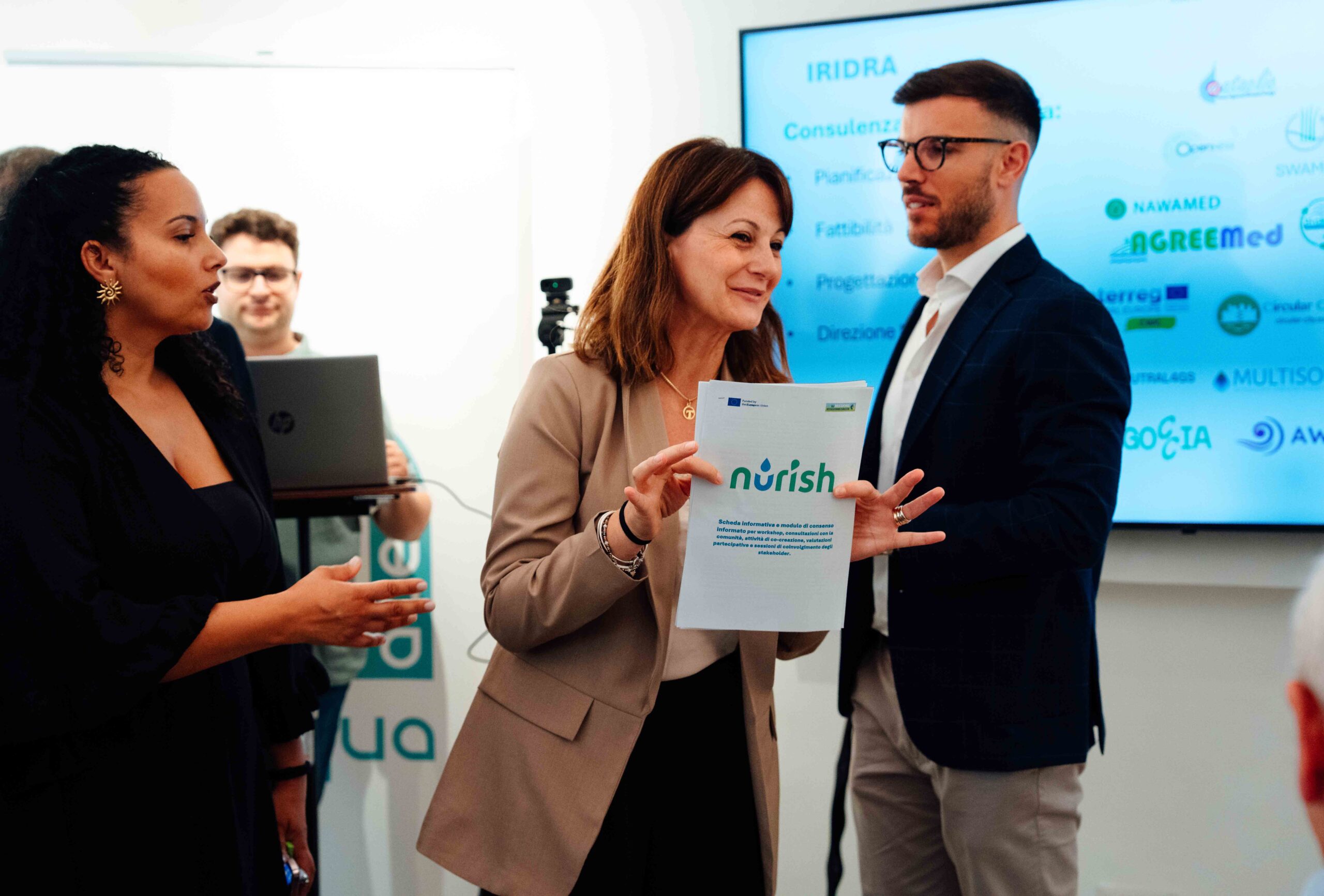
Organised by Acea Ato 5 and IRIDRA, the workshop took place at the Museo del 900 and brought together representatives from municipalities, water authorities, environmental organisations, engineering consultancies, healthcare institutions, businesses, and civil society. The event attracted strong participation from the local community, including several mayors and public administrators from across Valle di Comino, confirming the territory’s interest in innovative approaches to environmental sustainability and climate resilience.
Exploring Nature-based Solutions for sustainable water management
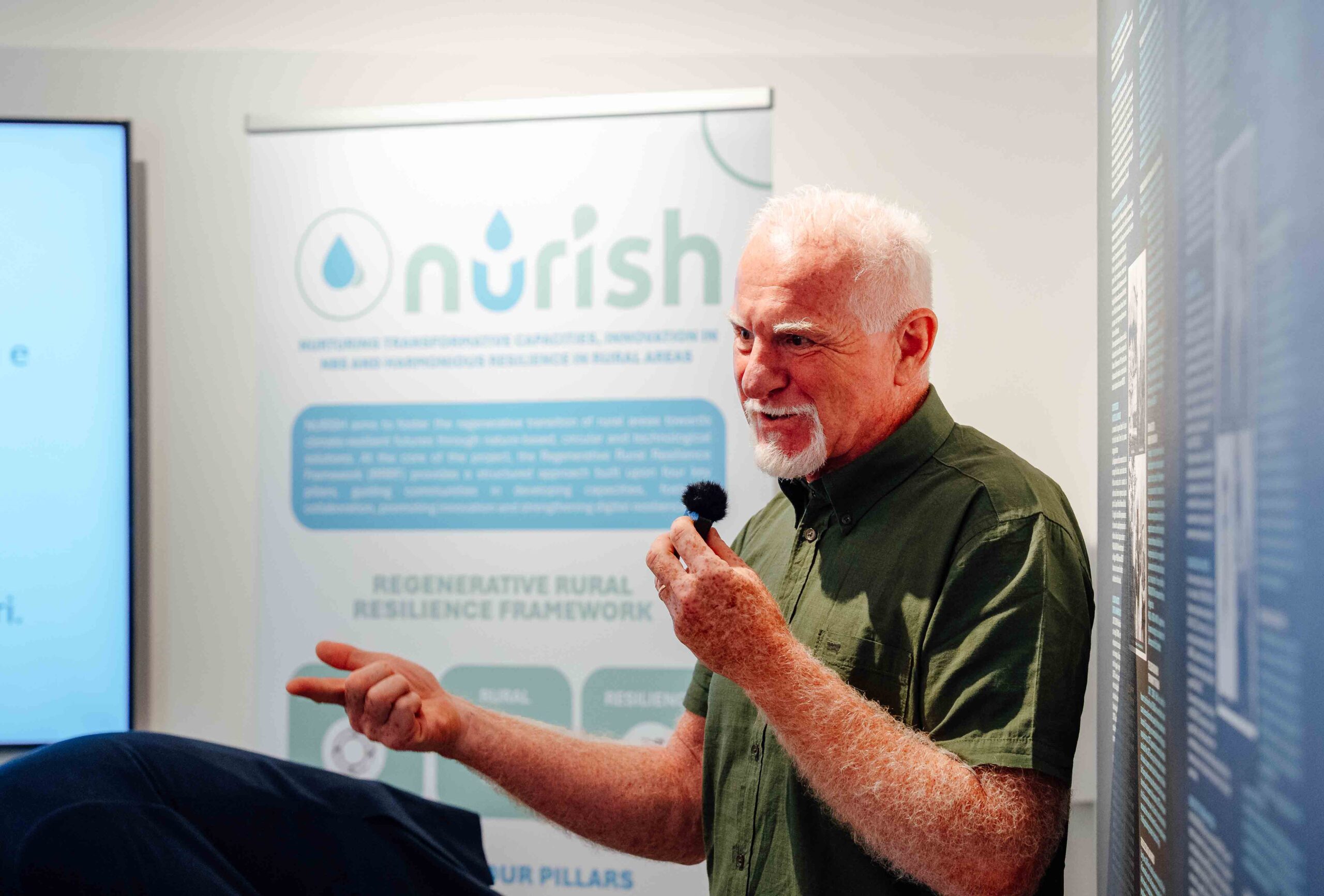
The session opened with an introduction to the NURISH project and its objective of strengthening climate resilience in rural areas through Nature-based Solutions (NbS), sustainable water management, stakeholder engagement, and capacity building. Participants were introduced to the role of RN3 – Valle di Comino, one of the project’s pilot territories, where innovative solutions for water resource management and climate adaptation will be explored and assessed. Particular attention was given to the potential of constructed wetlands and phytoremediation systems, which are being considered as sustainable alternatives for wastewater treatment and water reuse.
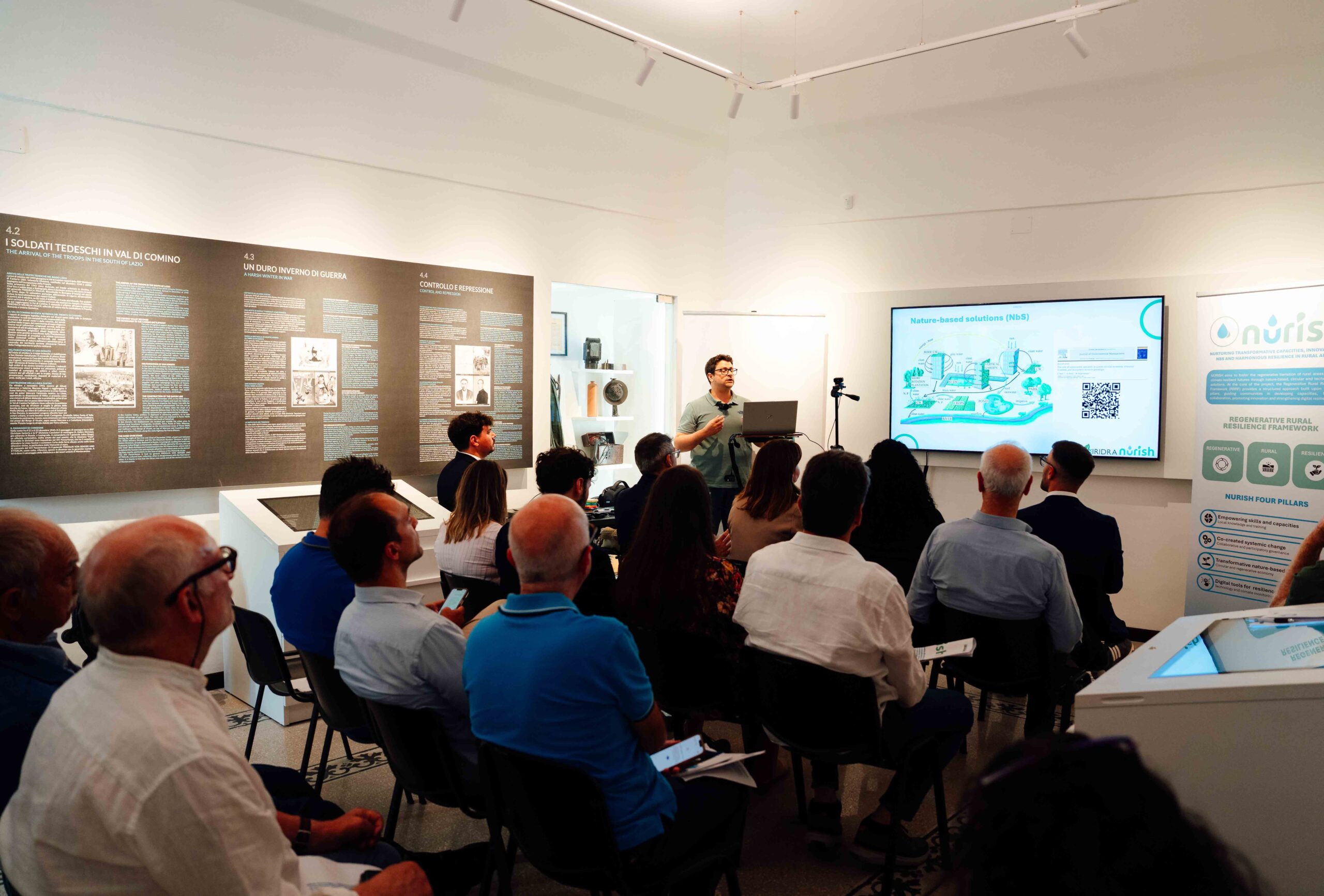
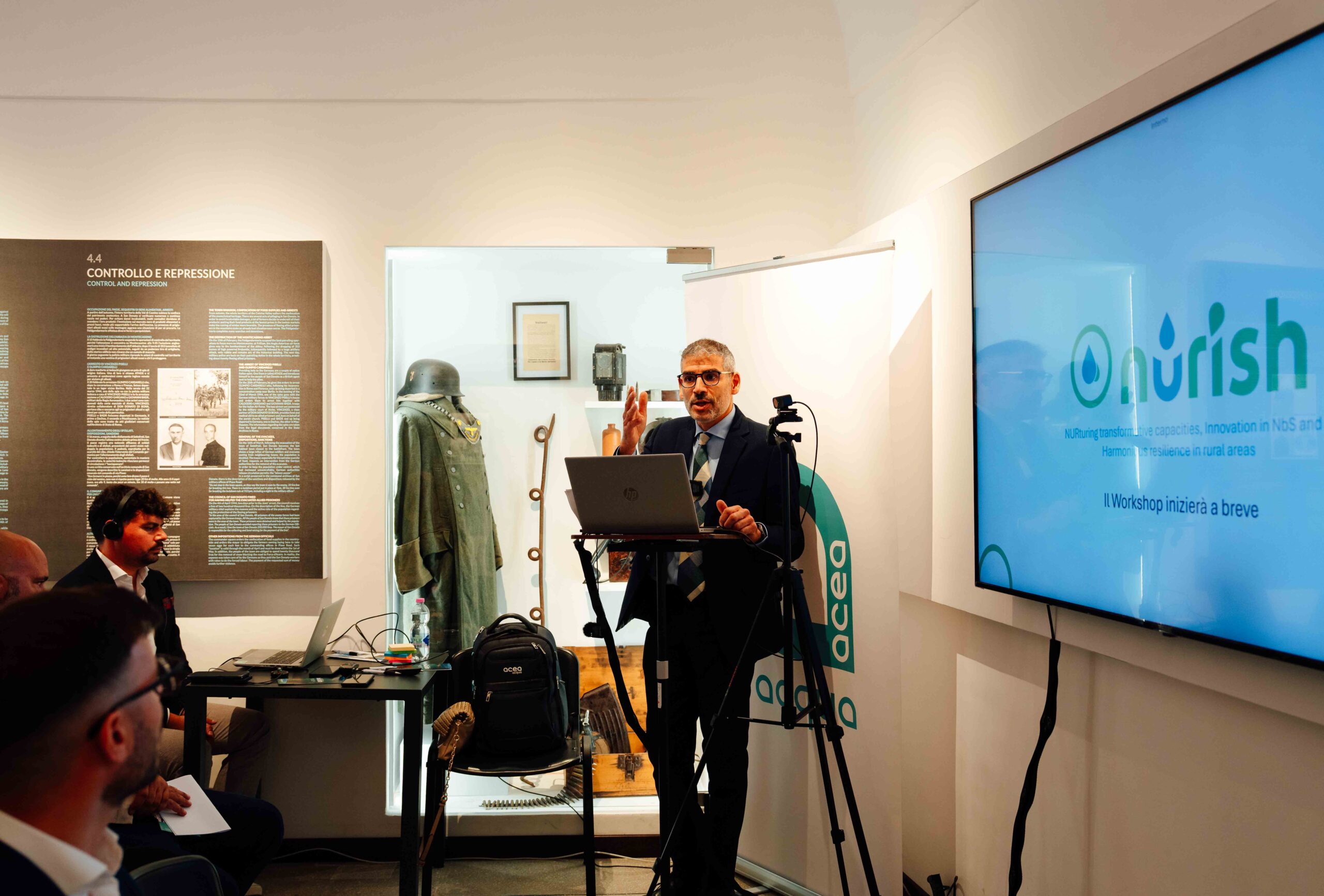
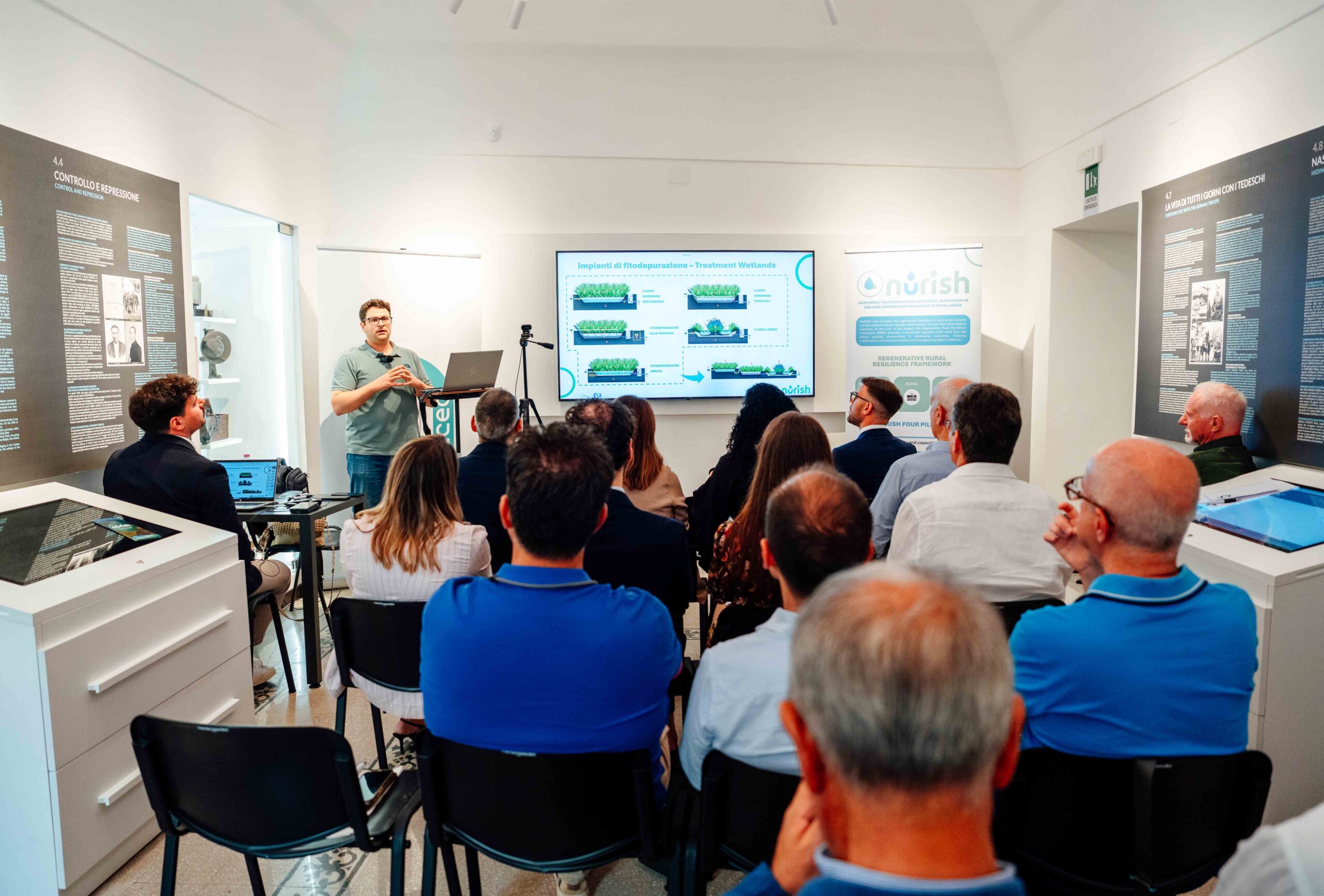
During the workshop, Acea Ato 5 highlighted how the Valle di Comino has been identified as a pilot area for testing solutions that could later be replicated in other territories. Discussions focused on the role that Nature-based Solutions can play in improving wastewater treatment, promoting water reuse, enhancing ecosystem services, and increasing resilience to climate change. A contribution from Legambiente further explored the connections between renewable energy, circularity, and NbS, providing additional perspectives on sustainable local development.
Mapping stakeholders and local capacity needs
A key part of the workshop was dedicated to stakeholder mapping through a Power–Interest Matrix exercise. Participants reflected on the values guiding their organisations, the expertise and resources they could contribute, and their potential role in supporting sustainable water management initiatives. The exercise revealed a consistently high level of interest in the project across all stakeholder groups, with municipalities, environmental organisations, technical experts, and public authorities expressing a strong willingness to remain involved in future activities and training opportunities.
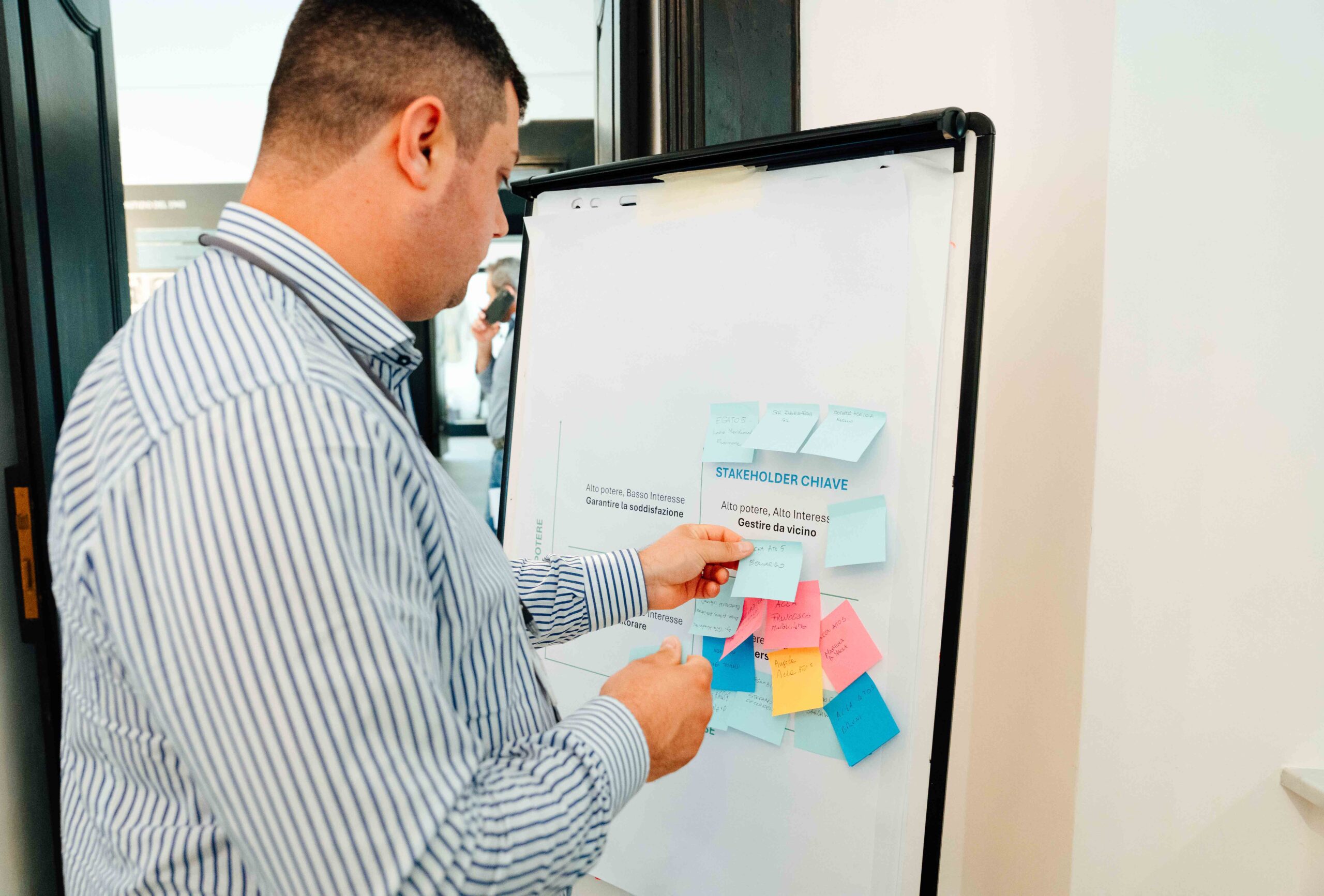
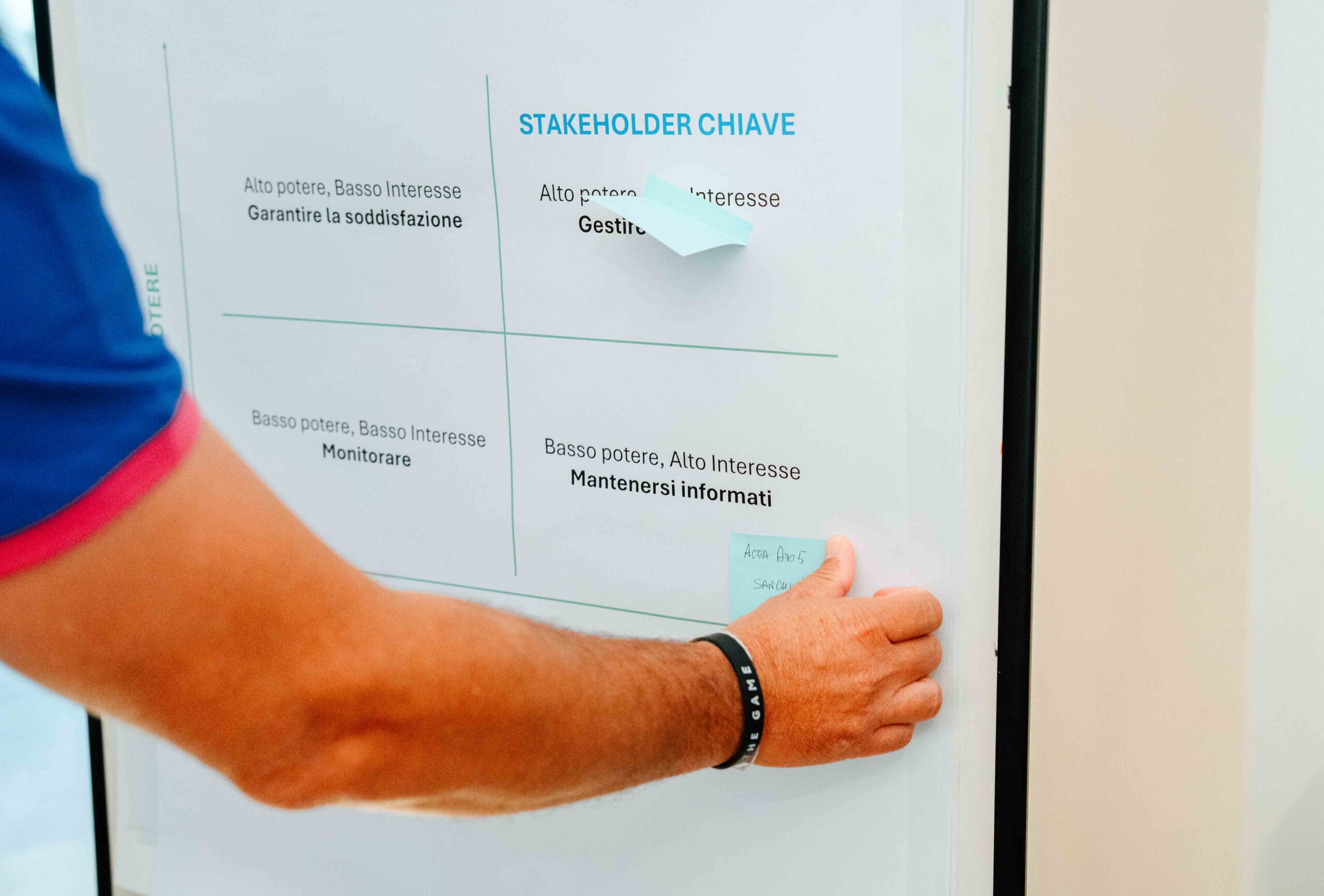
The discussions also highlighted that several municipalities are already planning or evaluating Nature-based Solutions for water treatment. These early experiences were recognised as valuable examples that could encourage wider adoption of similar approaches across neighbouring communities and strengthen confidence in innovative water management practices.
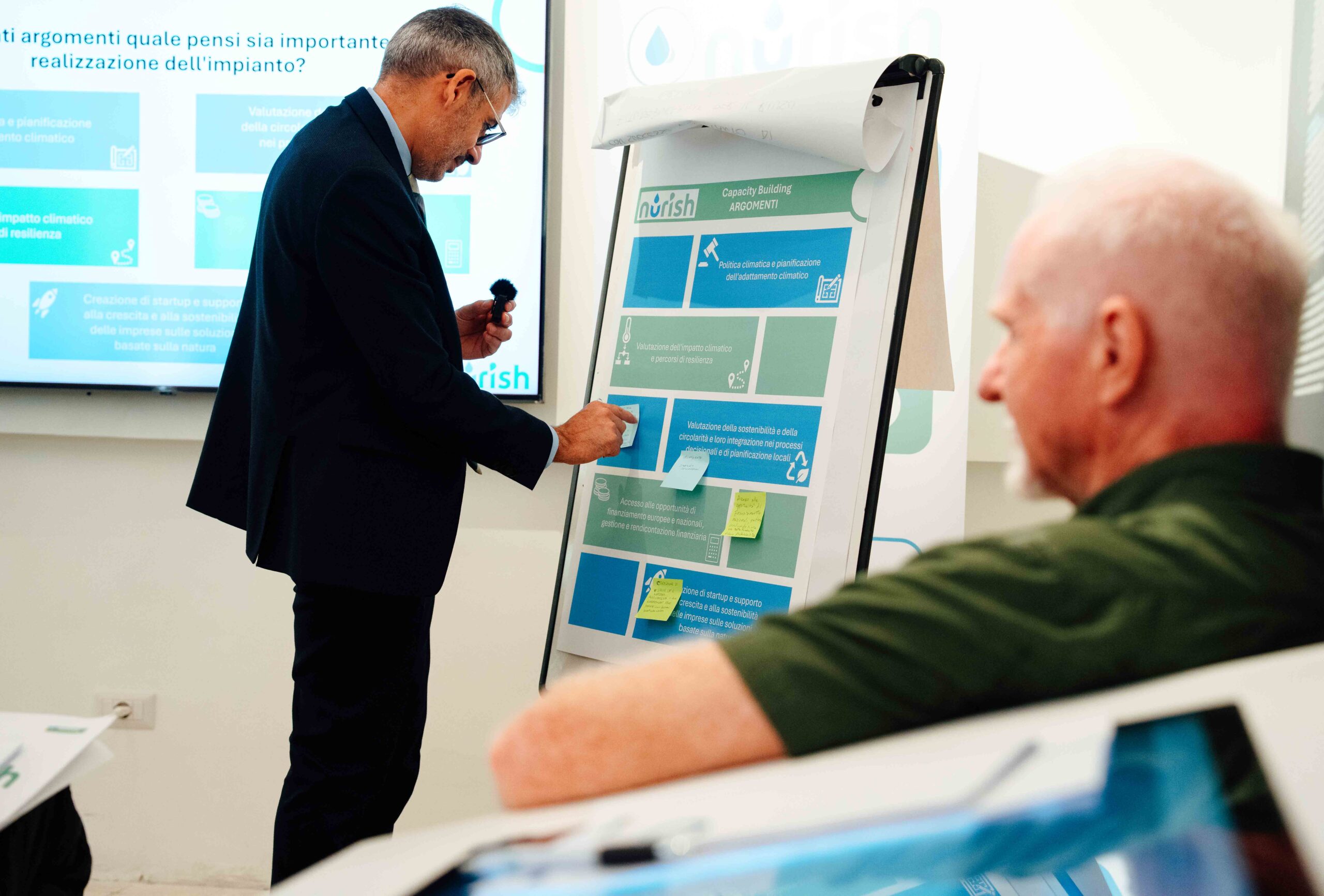
A second interactive session focused on identifying capacity-building needs and understanding the knowledge required to support the implementation of constructed wetland systems. Stakeholders raised practical questions regarding site selection, pre-treatment requirements, construction and operational costs, energy consumption, and regulatory compliance. Participants also discussed operational aspects such as odour control, vegetation management, drought resilience, mosquito management, and the design of irrigation systems for water reuse.
Building local capacity for future implementation
Beyond technical issues, stakeholders emphasised the importance of planning tools, governance models, and clear responsibilities between local authorities and water utilities. They also highlighted the need for effective communication and dissemination activities to increase awareness and public acceptance of Nature-based Solutions. Strong interest emerged for future training on climate resilience, sustainability and circularity, access to European and national funding opportunities, and the development of Nature-based businesses and initiatives.
Overall, the workshop represented an important opportunity for dialogue and collaboration among local authorities, technical experts, environmental organisations, businesses, and community representatives. The insights gathered will contribute to the further development of the Valle di Comino Resilience Node, helping to define local priorities, strengthen capacities, and support the future implementation of Nature-based Solutions tailored to the specific needs of the territory. At the same time, the event confirmed the strong commitment of local stakeholders to play an active role in building a more resilient and sustainable future for the Valle di Comino.