
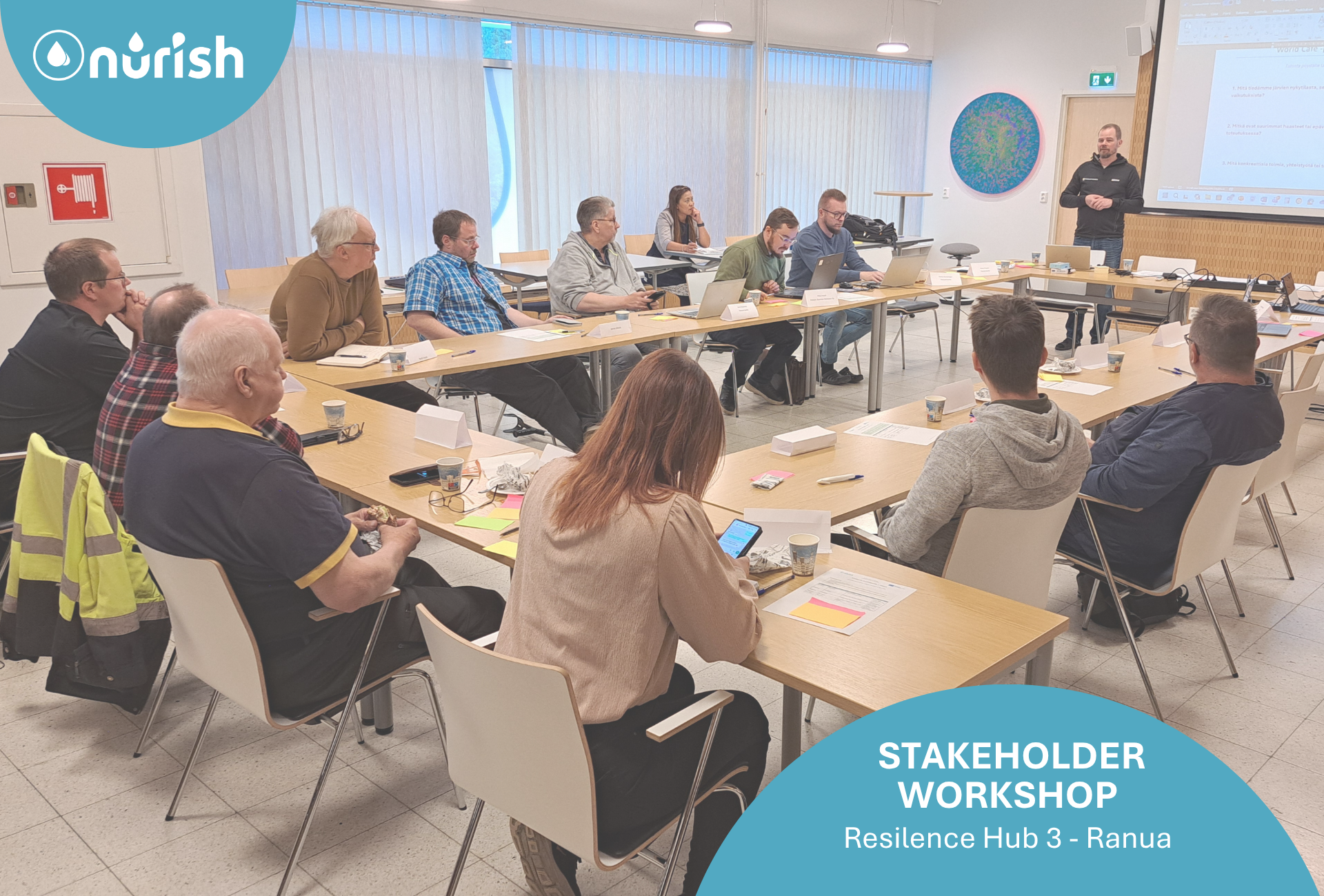
The condition of lakes and rivers in Ranua was discussed on Thursday, 28 May, at the Adapting Water Bodies to Climate Change event held in the Ranua Municipal Council Chamber. The event was organised as part of the NURISH project.
The event was open to everyone, with a special invitation extended to representatives of water area associations, shoreline residents, neighbouring landowners, and users of local water bodies. A total of 18 people attended.
NURISH is a large European research and innovation project involving partners from several countries. In Finland, the project is implemented by the Municipality of Ranua, Pohjois-Suomen Biokaasu Oy, Pudasjärven Kehitys Oy, and VTT Technical Research Centre of Finland. The project does not generate any additional costs for the Municipality of Ranua.
The event was opened by Mikko Pöykkö, Development Manager of the Municipality of Ranua. He noted that the ecological condition of local water bodies has deteriorated over the decades due to factors such as peatland drainage and forestry activities. The NURISH project is exploring solutions to improve the condition of lakes and rivers. These include sustainable forestry guidelines for areas surrounding vulnerable water bodies, as well as lake restoration and the utilisation of lake sediments for the production of biogas and recycled fertilisers.
As part of the project, test dredging operations are being planned for three lakes—two in Ranua and one in Pudasjärvi. The dredged sediment would be transported to the biogas plant in Ranua, where it would be converted into biogas and recycled fertilisers. The project also builds on the results of the BIKI project, managed by the Municipality of Ranua in 2025, which assessed the condition of more than 20 lakes in the municipality.
Participants shared their own experiences as residents living near lakes and rivers, anglers, members of water area associations, and volunteers involved in water restoration. Many reported having witnessed a gradual decline in the condition of local water bodies over the past decades. However, one participant noted that the condition of their home lake had improved compared to previous years.
Test Dredging Will Leave No Permanent Impact
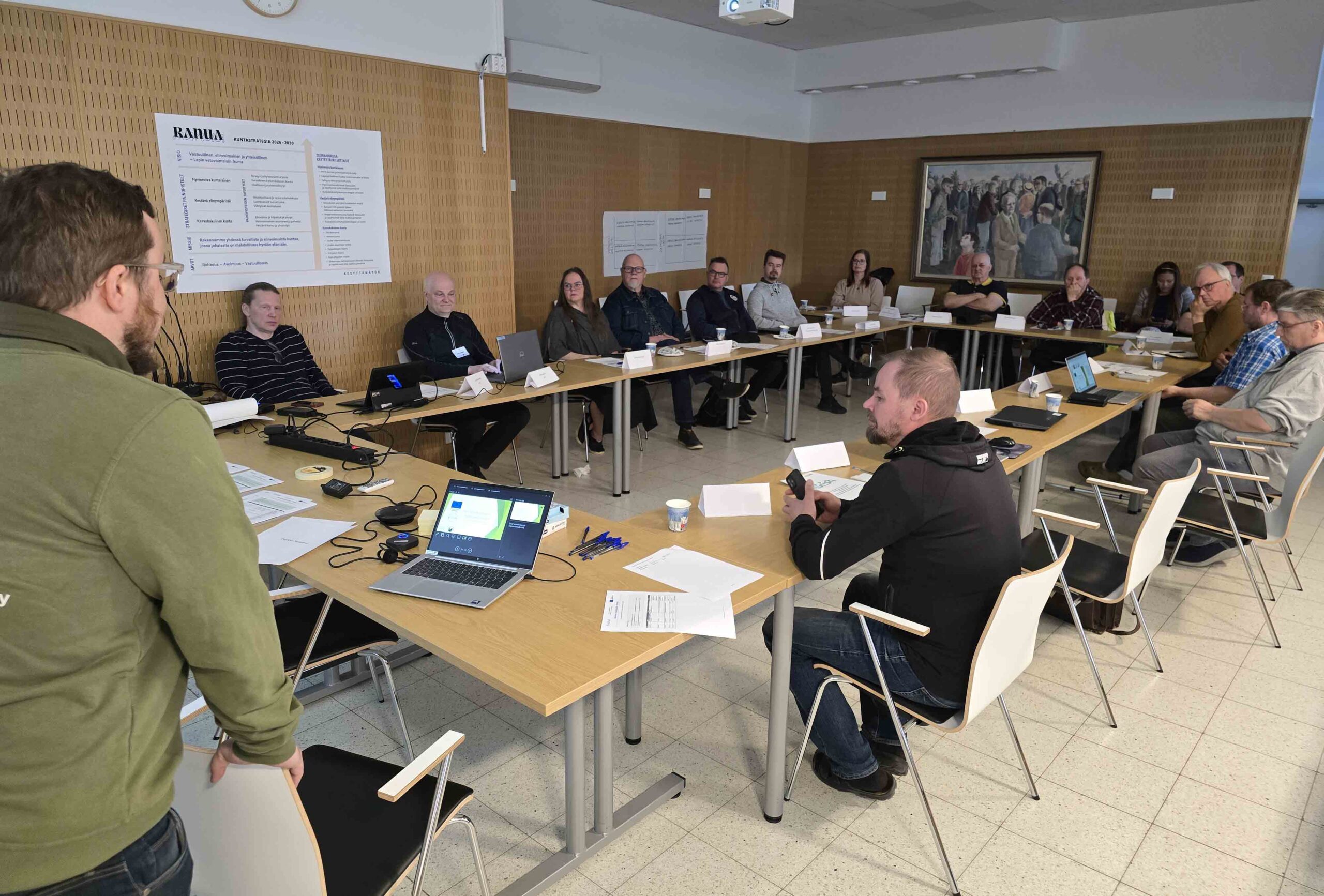
Mika Impiö, CEO of Pohjois-Suomen Biokaasu Oy, explained that during the BIKI project in 2025, sediment samples were collected from three lakes in Ranua: Saarijärvi, Ranuanjärvi and Takajärvi. Sampling continued under the NURISH project in March 2026 in Pudasjärvi, where samples were taken from Sarajärvi and Juutislampi.
«Pohjois-Suomen Biokaasu Oy provides an opportunity to test the use of lake biomass under real operating conditions at a biogas plant. However, not all lake biomass is necessarily suitable for biogas production,» Impiö explained.
The potential test dredging sites in Ranua are Takajärvi and Saarijärvi. The ecological condition of Takajärvi is considered poor.
Impiö emphasised that the planned dredging would not permanently alter the lakes.
«The dredging volume will remain below 500 cubic metres. The objective is not to carry out restoration measures large enough to create permanent changes, but rather to collect sufficient data on the technical and economic feasibility of these measures.»
According to Impiö, the sediment removed from lake bottoms is expected to produce a reasonable amount of biogas.
The next step in the NURISH project is to apply for permits for the test dredging operations and launch the procurement process during 2026. Although the exact timetable has not yet been confirmed, the dredging is expected to take place in 2027. The trials will provide valuable information on the economic viability of utilising accumulated lake sediment as a feedstock for biogas production.
At the end of the event, participants worked together to develop ideas related to lake restoration and the utilisation of biomass.
Lakes and Rivers are an Essential Part of Life in Ranua
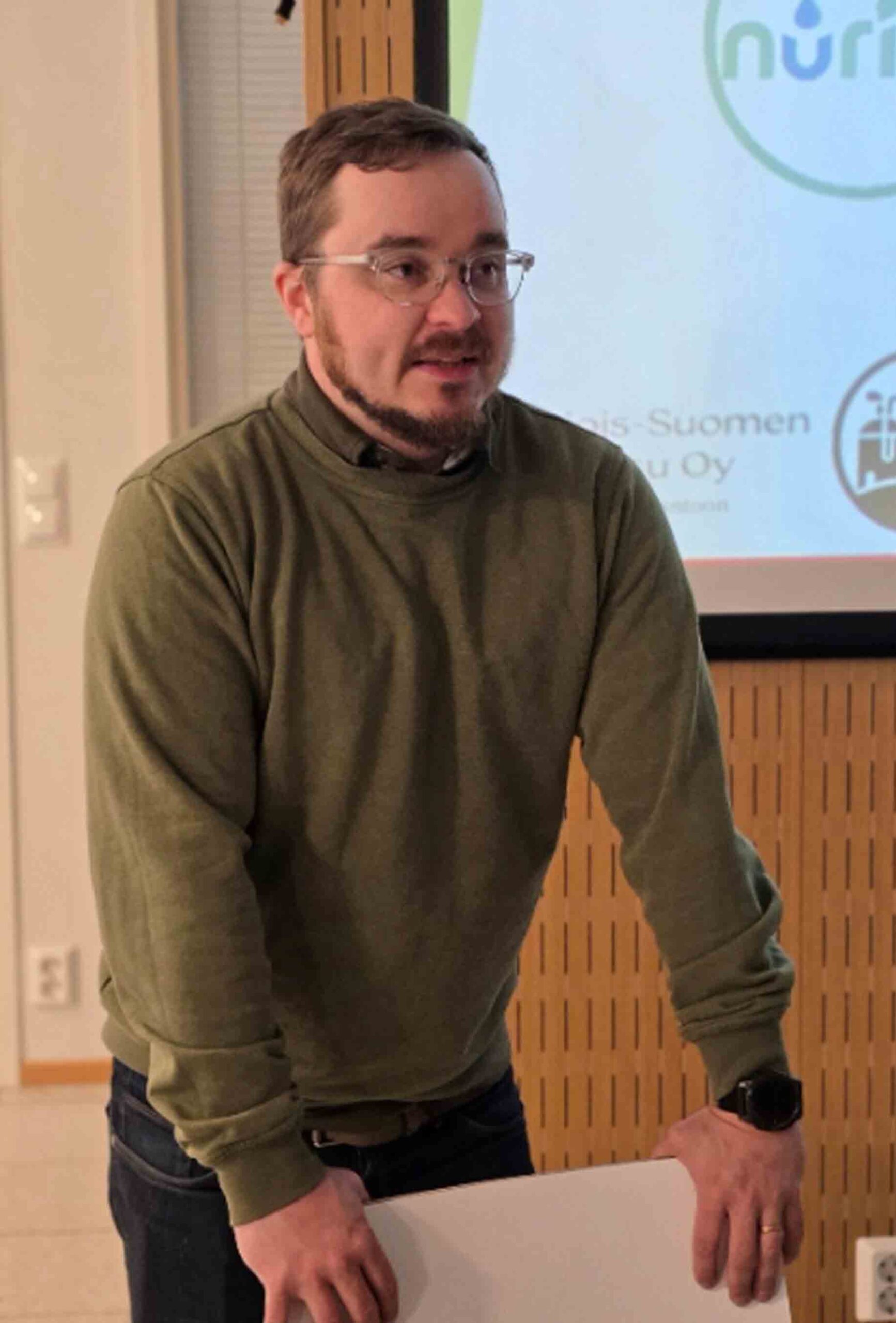
The event was also attended by Charmae Wissink-Nercua, Lecturer at Erasmus University Rotterdam in the Netherlands and an international representative of the NURISH project. She thanked local participants for their active involvement and willingness to share their experiences.
«People in Ranua have a very strong connection to their lakes and rivers. They are exactly the right people to be involved in this project. The discussions were open and extensive. It became clear that people genuinely want to improve the condition of their water bodies. They are interested in learning how this can be achieved, and many are also willing to participate in practical restoration work.»
Originally from the Philippines, Charmae explained that the events in Pudasjärvi and Ranua provided her with her first opportunity to meet Finnish people.
«Finnish people are very genuine. I heard honest stories about what lakes and rivers mean to them and how important they are in their everyday lives. Many have grown up along these waterways and shared personal experiences. It is very encouraging that people want to participate, because local communities will play an essential role in the later stages of the project.»
According to Charmae, local participation is crucial throughout the project—from planning all the way to practical implementation.
Nature Takes Time to Recover
Although the NURISH project will run for 4.5 years, improvements in water quality cannot be expected immediately. Charmae reminded participants that the impacts of nature-based solutions, such as lake restoration, often become visible only over the long term.
«Nature follows its own timetable. If we give ecosystems the opportunity to recover, it may take five, ten, or even twenty years. Following dredging, for example, visible improvements may begin to appear after three to five years.»
She also noted that the results of the NURISH project could serve as the foundation for future projects aimed at restoring several interconnected lakes.
Strong Regional and Research Cooperation
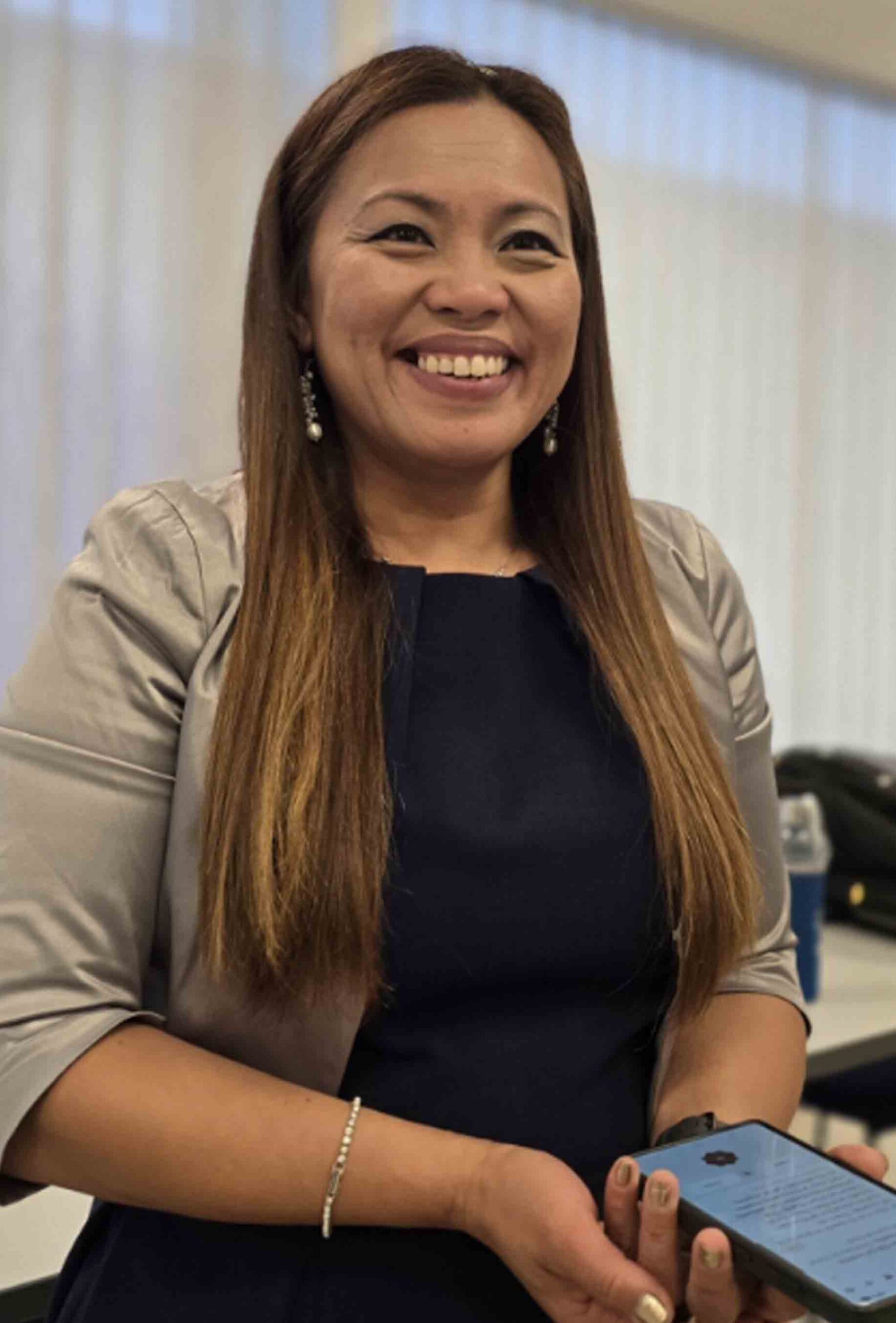
The NURISH project in Ranua and Pudasjärvi is being implemented by the Municipality of Ranua, Pohjois-Suomen Biokaasu Oy, Pudasjärven Kehitys Oy, and VTT Technical Research Centre of Finland. At the Ranua event, the workshop sessions were facilitated by VTT experts Lassi Warsta and Arto Laikari. Auvo Turpeinen from Pudasjärven Kehitys Oy presented an update on the project and highlighted the strong interest shown by stakeholders in Pudasjärvi.
The NURISH partners will return to Ranua in late September or early October, when representatives of all 21 project partners will gather in Syöte, Pudasjärvi. The programme will also include a visit to Ranua.
NURISH stands for Nurturing Transformative Capacities, Innovation in Nature-Based Solutions (NBS) and Harmonious Resilience in Rural Areas.