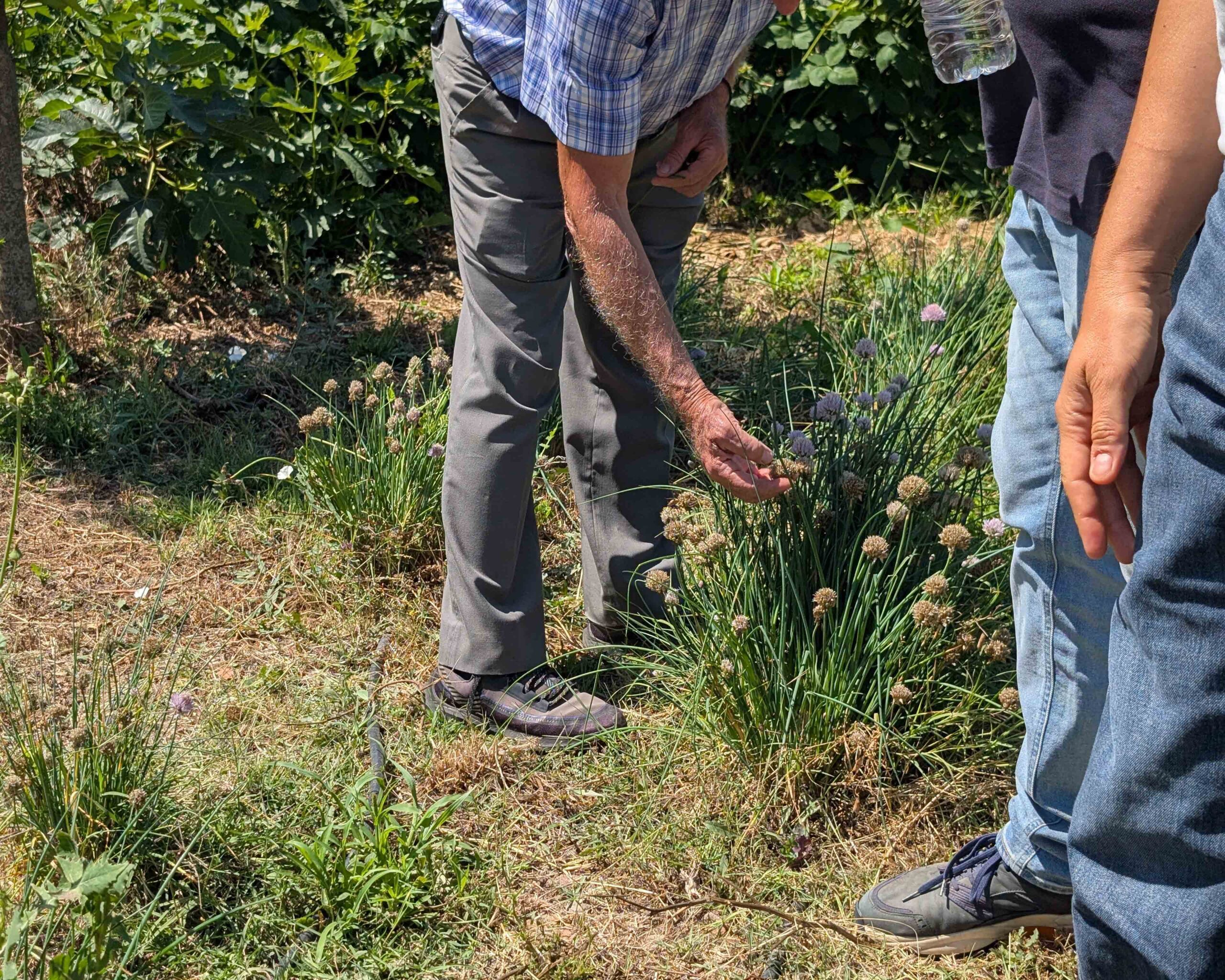
Sustainable water management in crop irrigation in Western Lesvos
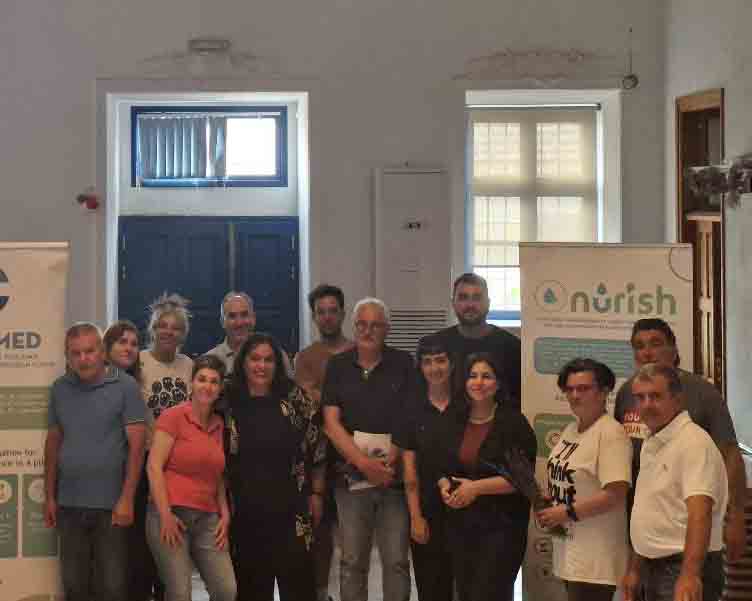
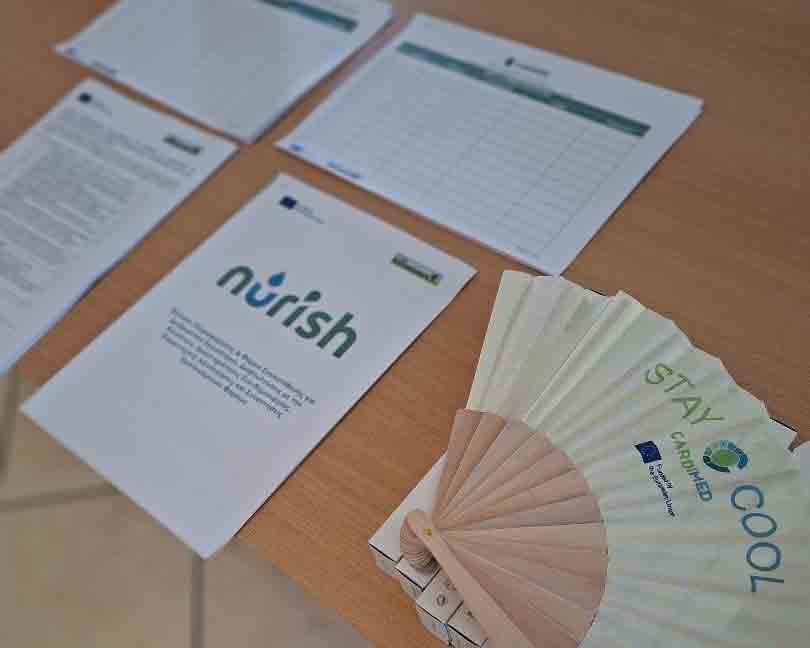
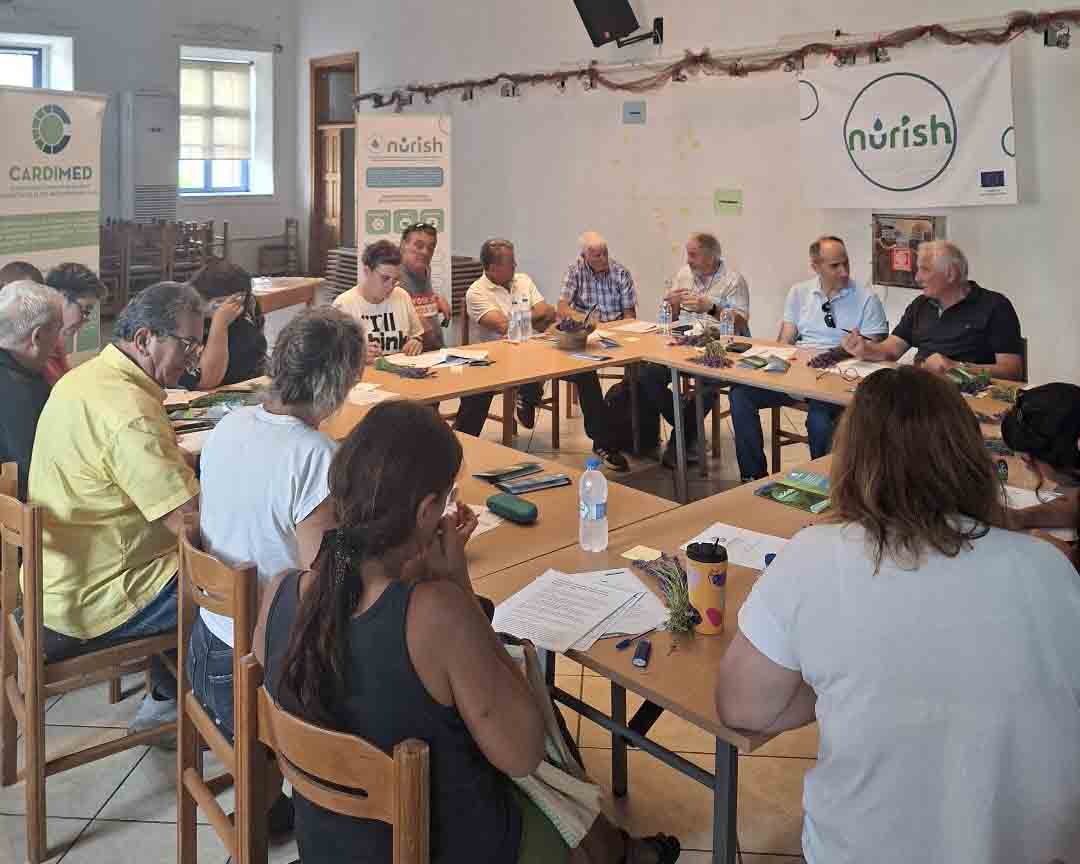
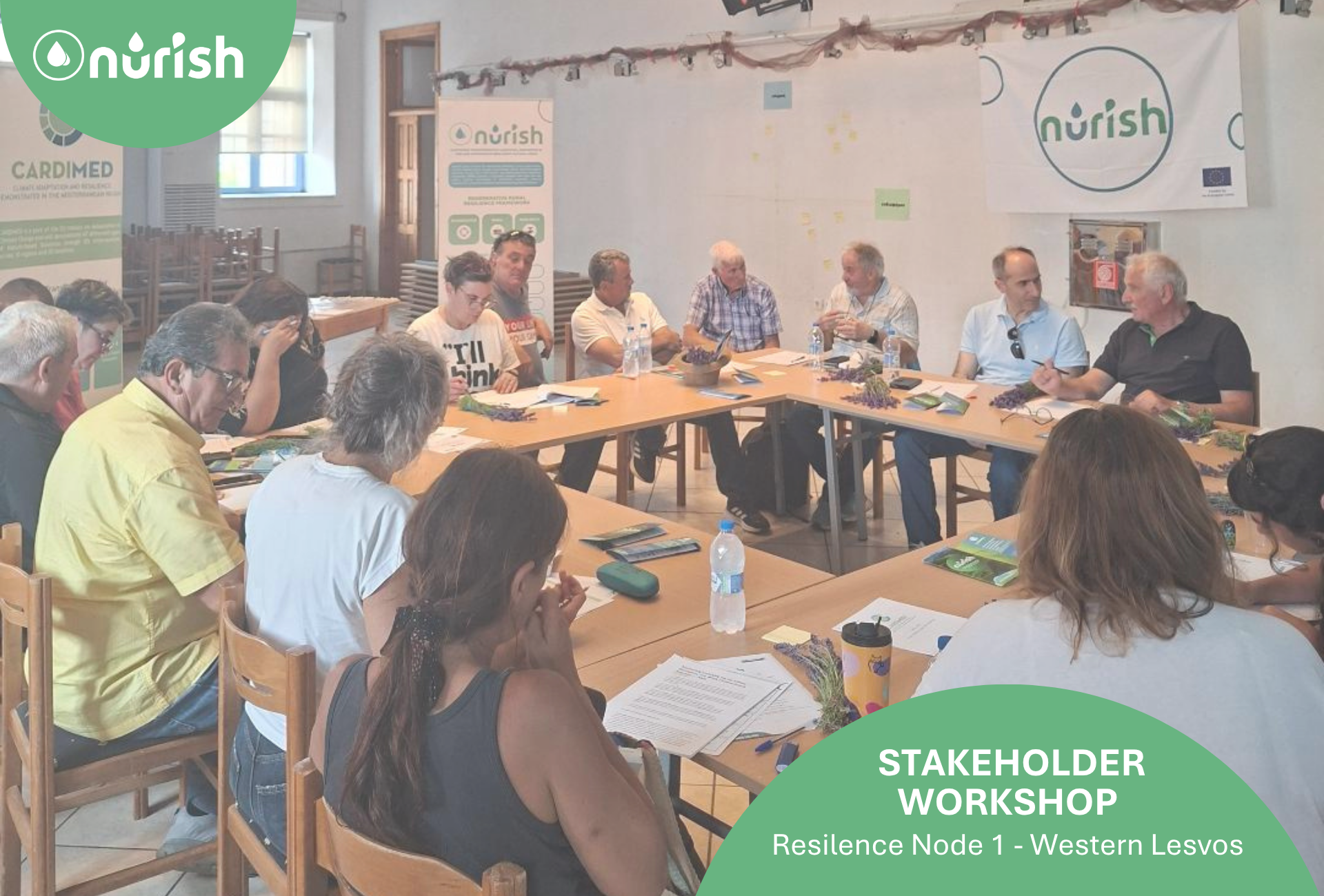
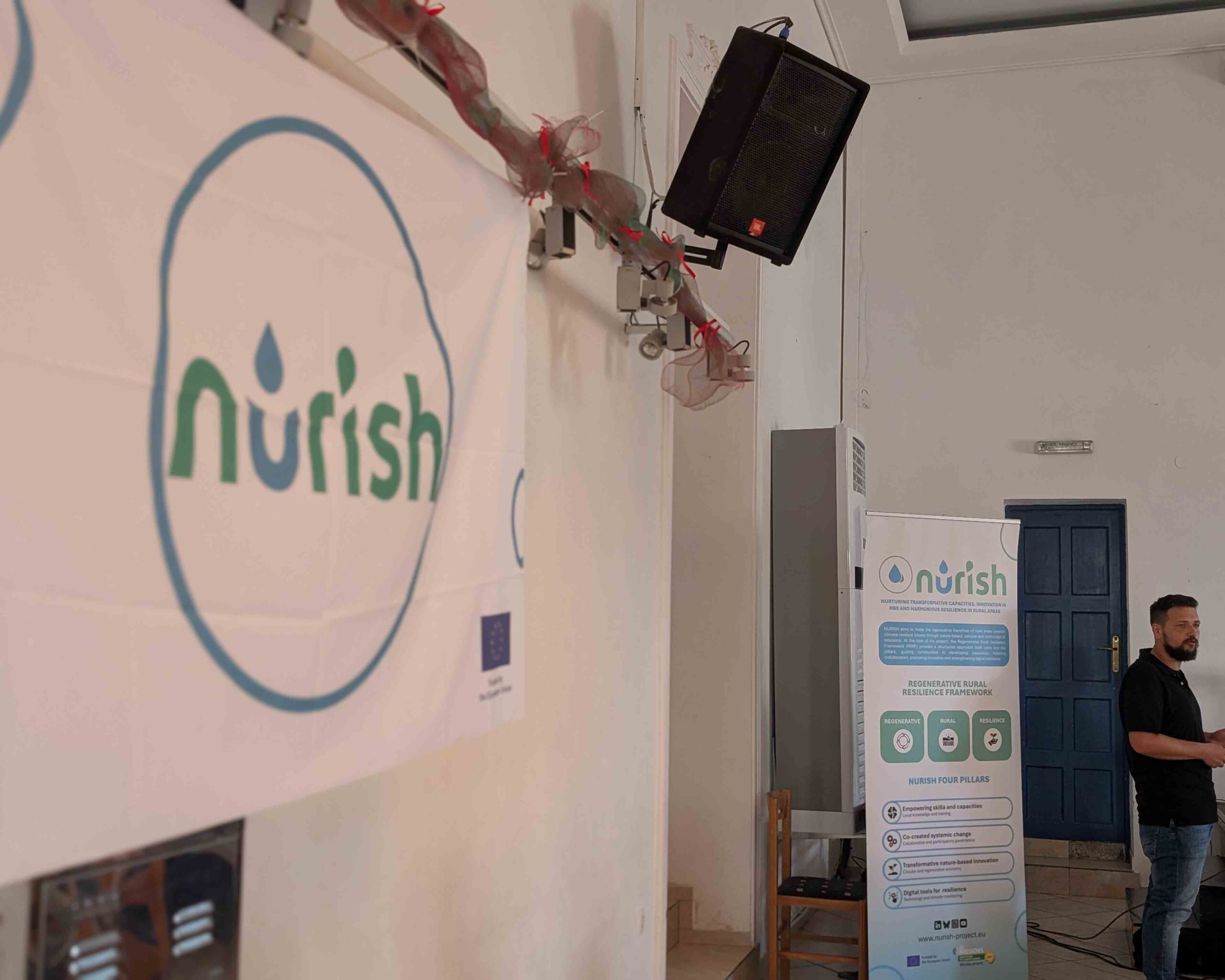
A NURISH Stakeholder Workshop was organized, where local actors and community organizations in Western Lesvos came together to discuss climate resilience, resource reuse, and the development of Resilience Node 1 (RN1). The workshop offered a shared space for dialogue, enabling participants to exchange perspectives and explore how Nature-based Solutions (NbS) can support the long-term sustainability of the region.
Hosted in Antissa with the support of the Municipality of Western Lesvos and project partners, the workshop brought together representatives from local authorities, agricultural cooperatives, producers, educators, cultural associations, and civil society groups. Participants included the University of the Aegean, the Antissa Agricultural Cooperative, local producers, and community media representatives, reflecting the area’s strong tradition of collective action and community engagement.
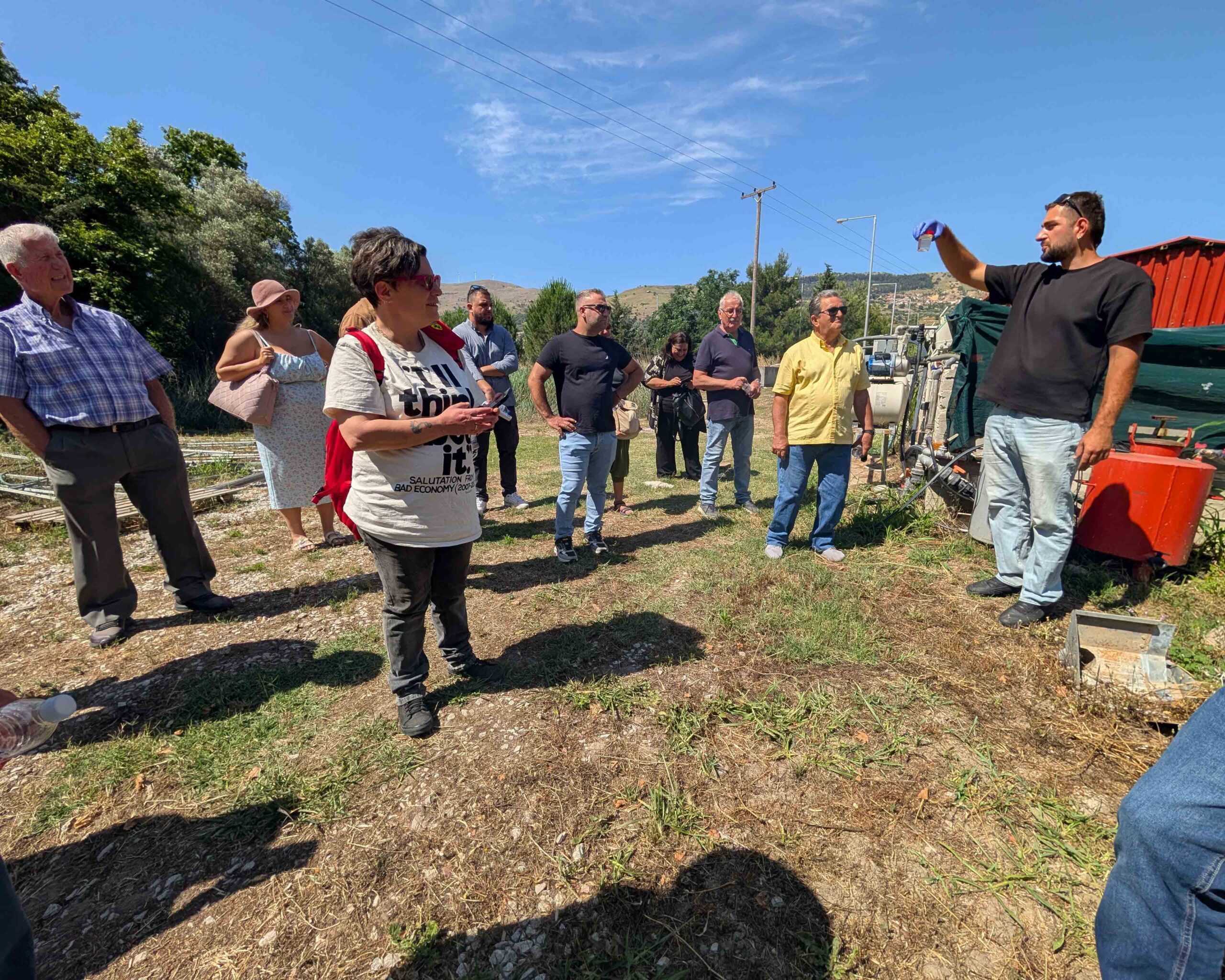
The workshop opened with an overview of the NURISH project and its approach to strengthening climate resilience through NbS, regenerative practices, capacity building, and participatory governance. The role of Western Lesvos as one of the project’s Resilience Nodes was highlighted, with discussions focusing on water scarcity, agricultural pressures, and the need for community‑driven adaptation strategies. Participants also raised the importance of improving communication around the Antissa wastewater treatment plant and the potential benefits of reclaimed water for nearby agricultural fields.
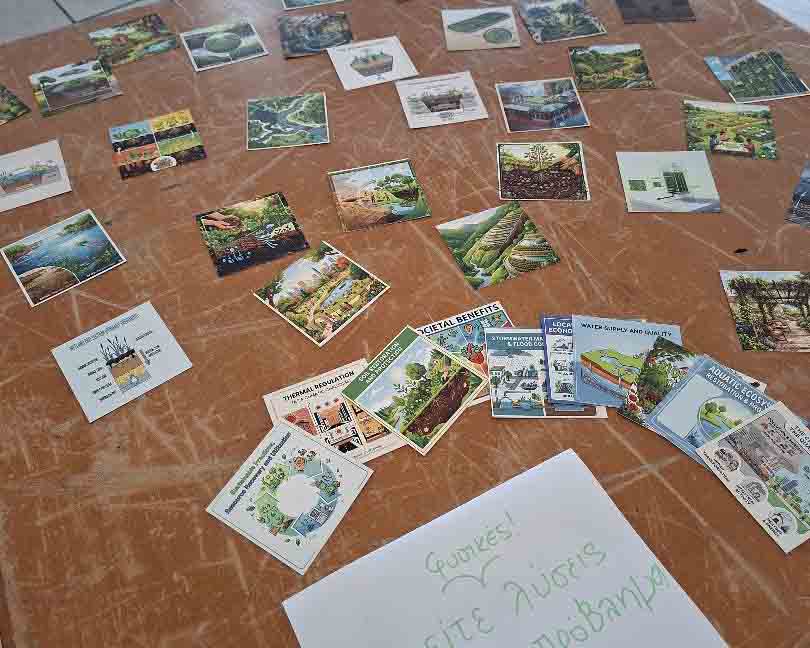
The stakeholder mapping was another key goal of the workshop. Participants reflected on the values guiding their organizations, the capacities they could contribute to RN1, and their potential role in supporting climate resilience initiatives. Most stakeholders positioned themselves in the high‑interest, high‑influence quadrant, demonstrating strong motivation and confidence in their ability to support the project. The exercise also helped identify key actors who were not present, including regional water and environmental authorities, additional farmers and livestock breeders, and teachers, whose involvement will be important for future activities.
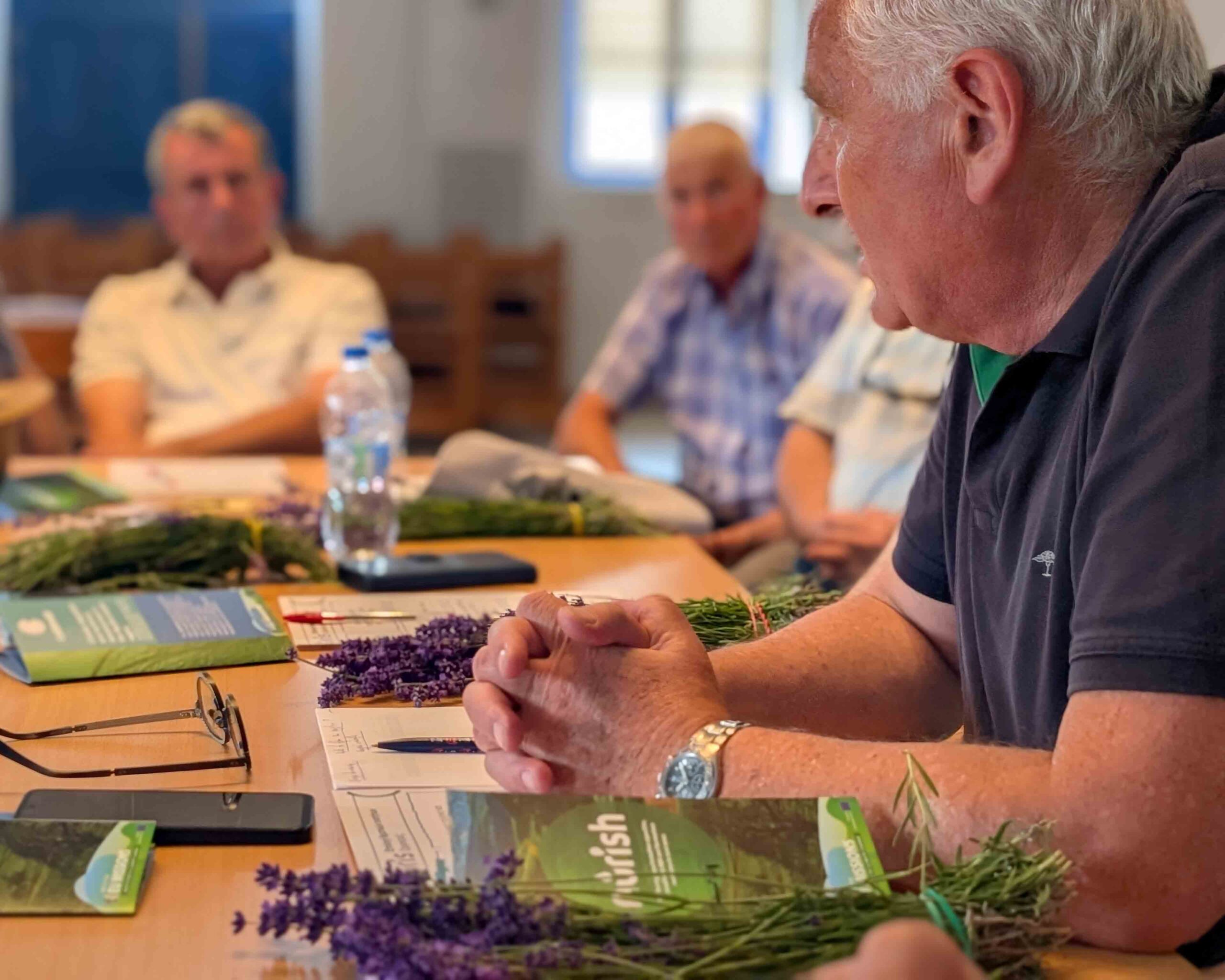
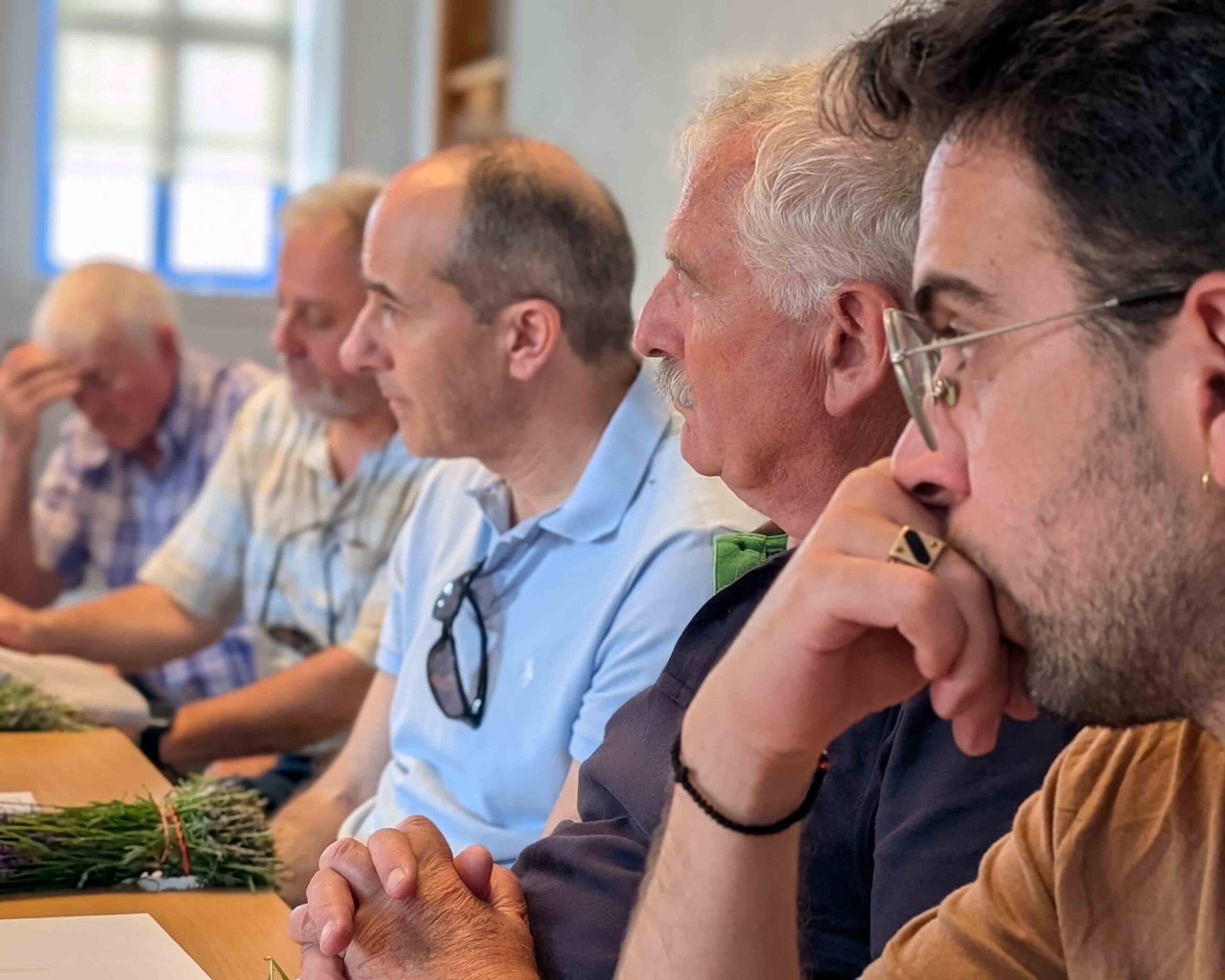
Participants discussed capacity‑building needs related to climate policy and adaptation planning, climate impact assessment, sustainability and circularity, funding opportunities, and nature‑based entrepreneurship. They also emphasized the value of practical NbS demonstrations, examples from other regions, and clearer communication on reclaimed water and the operation of the Antissa treatment plant. The conversation underscored the importance of collaboration and local knowledge in shaping effective climate responses, with the workshop offering a shared space for dialogue that reflected Lesvos’ strong tradition of community initiatives and collective action.
Looking ahead, the input gathered during the RN1 workshop will play an important role in shaping the next steps of the NURISH activities in Western Lesvos. The strong engagement shown by local actors, together with the community’s long‑standing tradition of cooperation, provides a solid foundation for advancing Nature‑based Solutions and resource reuse practices across the region. Building on the priorities identified during the session, the project will continue working closely with stakeholders to expand reclaimed water use, strengthen community participation, and support the development of practical NbS tailored to the needs of Western Lesvos.