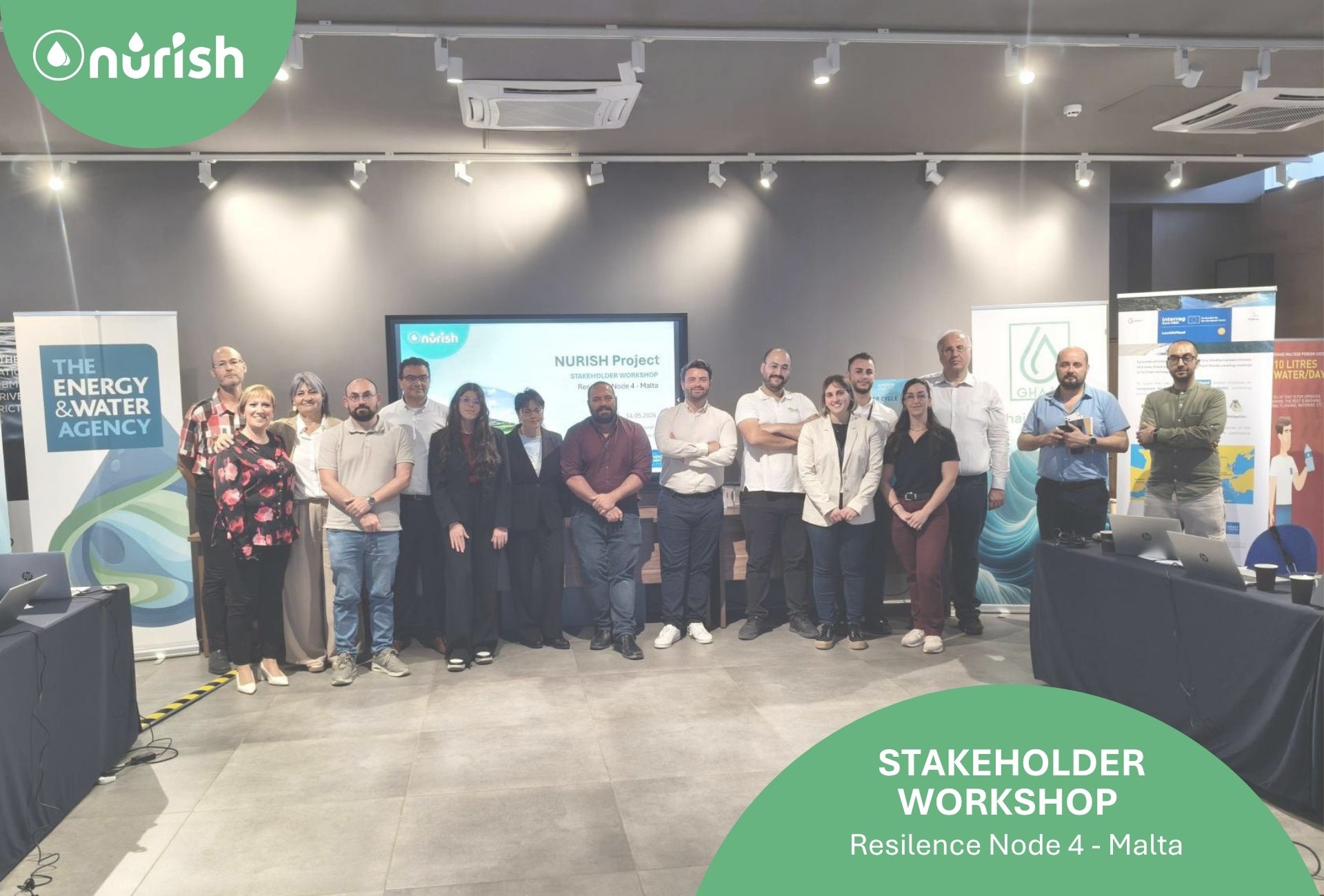
As part of the NURISH Stakeholders Workshops series, stakeholders from across Malta gathered to discuss opportunities, challenges, and collaborative approaches for implementing Nature-based Solutions (NbS) in rural areas, with a particular focus on public buildings and educational spaces.
The workshop, organised by the Energy and Water Agency (EWA), brought together representatives from environmental management, education, infrastructure, public works, and regional governance. Participating organisations included Ambjent Malta, the Environment & Resources Authority (ERA), the Foundation for Tomorrow’s Schools (FTS), St Nicholas College, Mġarr Primary School, the Ministry for Transport, Infrastructure and Public Works, the Public Works Department, and Reġjun Tramuntana.
Prior to the workshop, participants attended a session linked to the LANDS Erasmus+ project, which focused on Nature-based Solutions (NbS) and dissemination tools developed under the URWAN Interreg MED project. This provided a useful introduction to several themes that were later explored during the NURISH workshop.
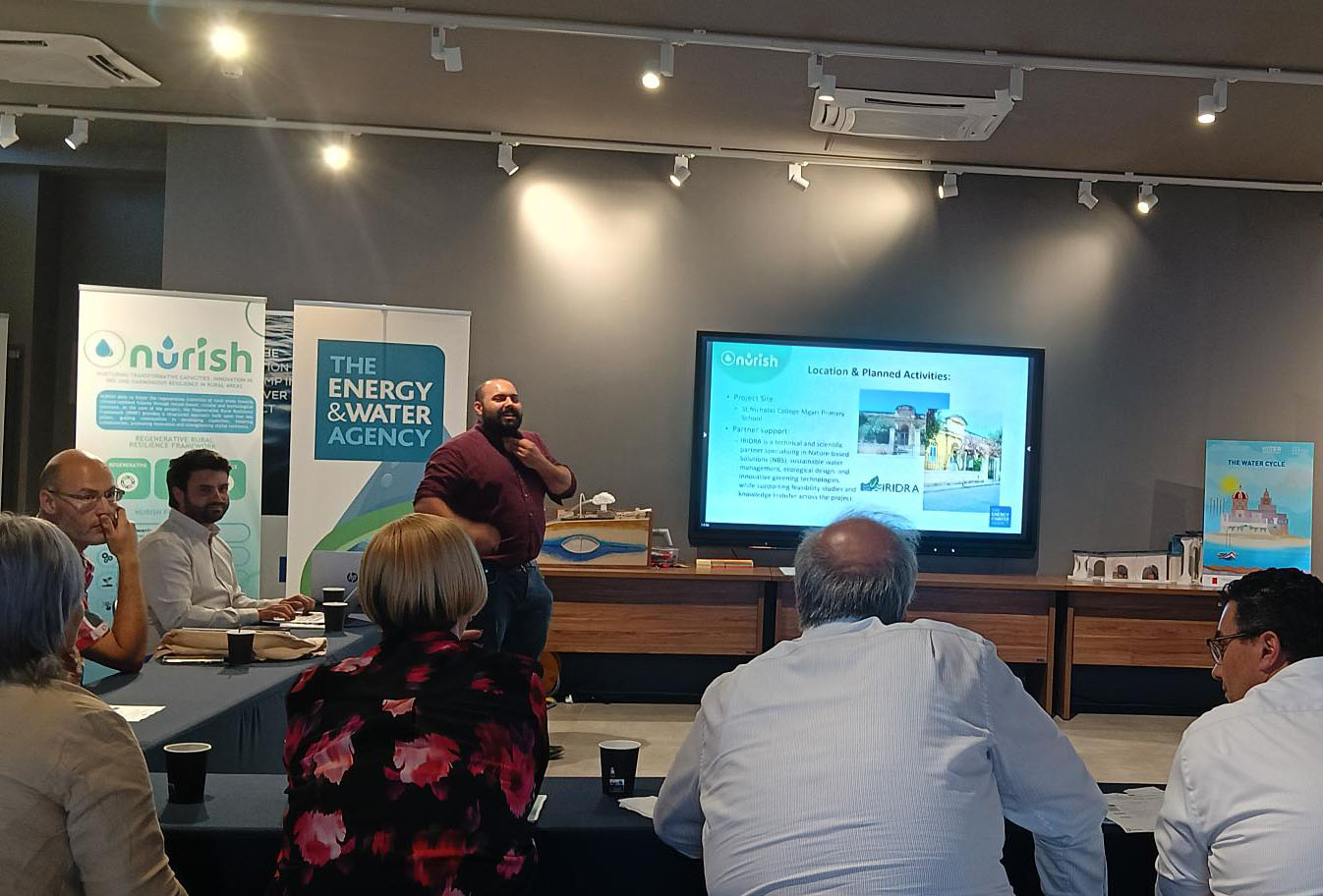
The session began with an introduction to the NURISH project, presenting its objectives, partnership, and Malta’s role within the project. Participants were introduced to the vision of NURISH and the opportunities it offers for strengthening climate resilience in rural communities through collaborative and nature-based approaches.
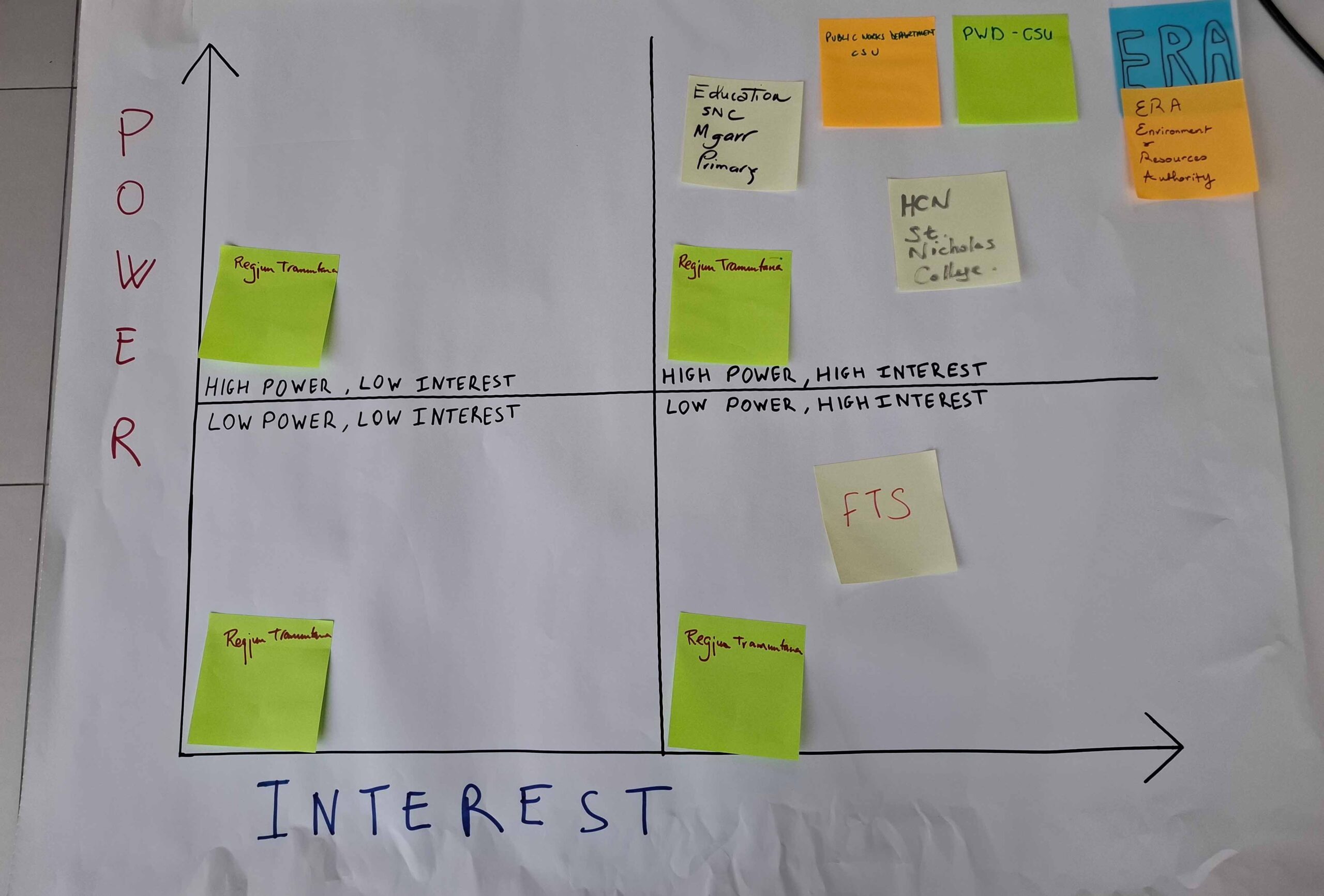
One of the first activities focused on a Power–Interest Matrix exercise, where stakeholders reflected on their organisations’ roles, capacities, and potential influence within the project. Participants discussed the importance of engaging relevant actors from the earliest planning stages and maintaining communication and collaboration throughout the entire project lifecycle. The exercise also helped identify additional organisations that could contribute to future project activities, particularly within the education sector.
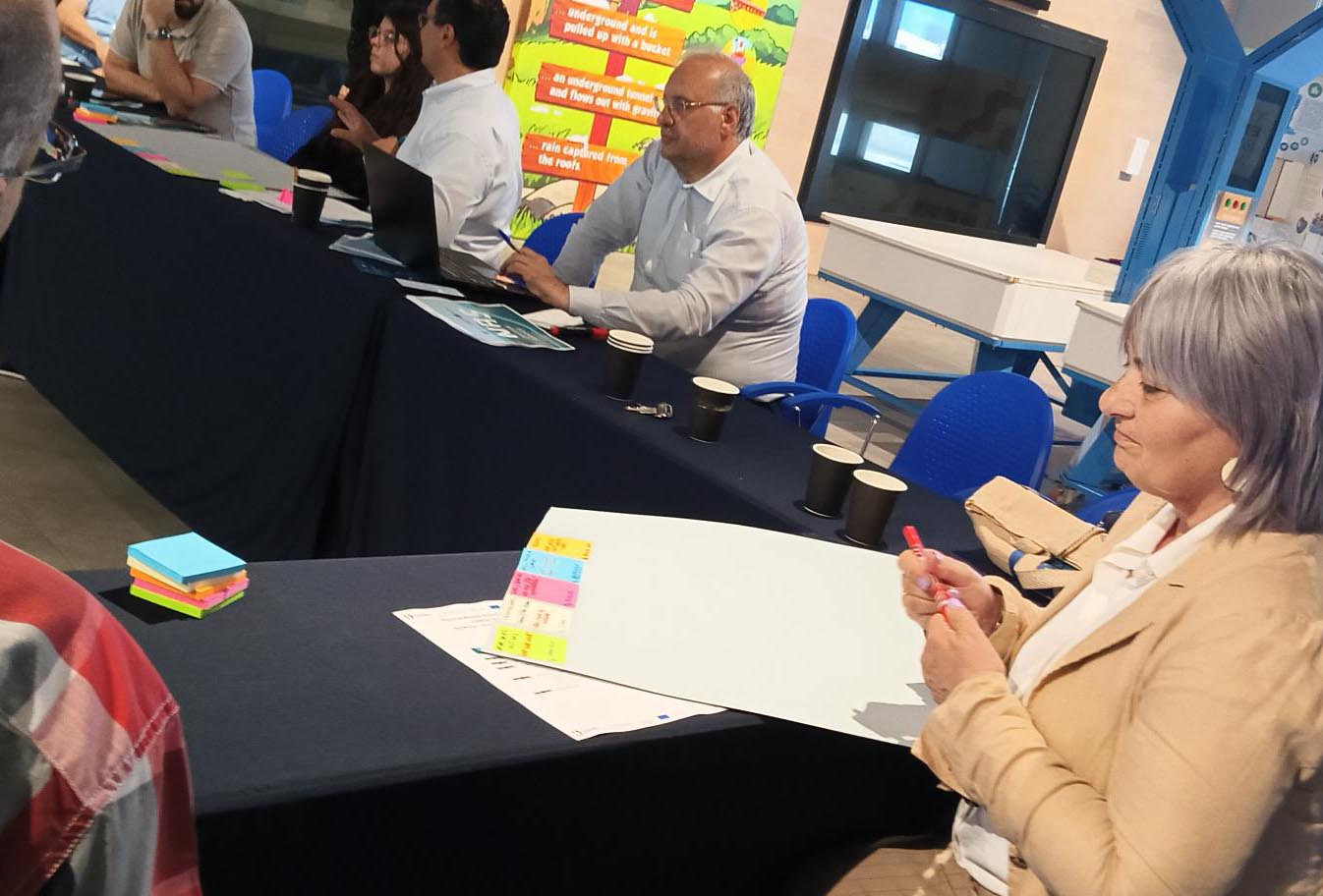
The second interactive exercise focused on brainstorming ideas for Nature-based Solutions (NbS), implementation challenges, stakeholder involvement, and capacity-building needs. Working in groups, participants identified priorities and opportunities relevant to the Maltese context.
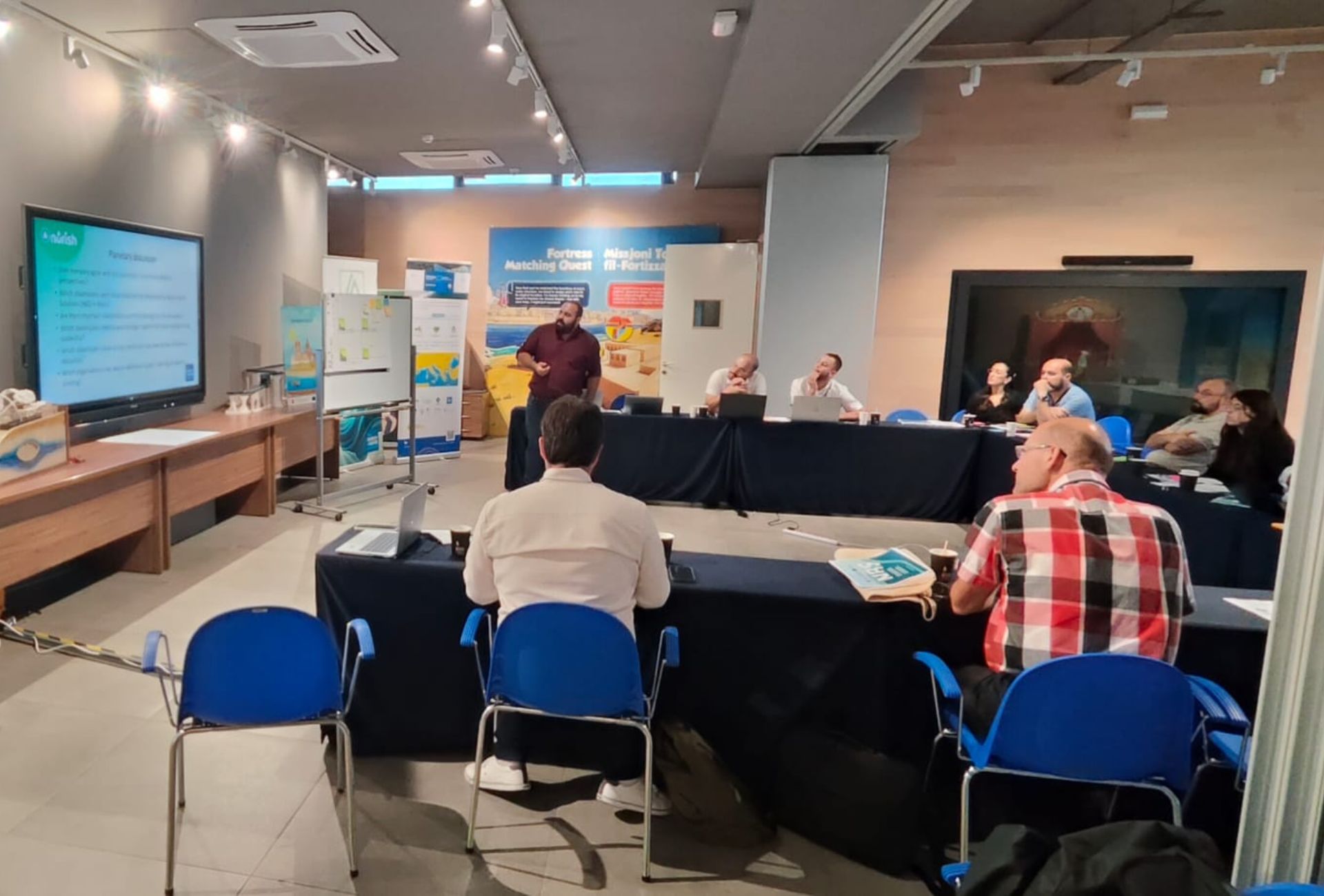
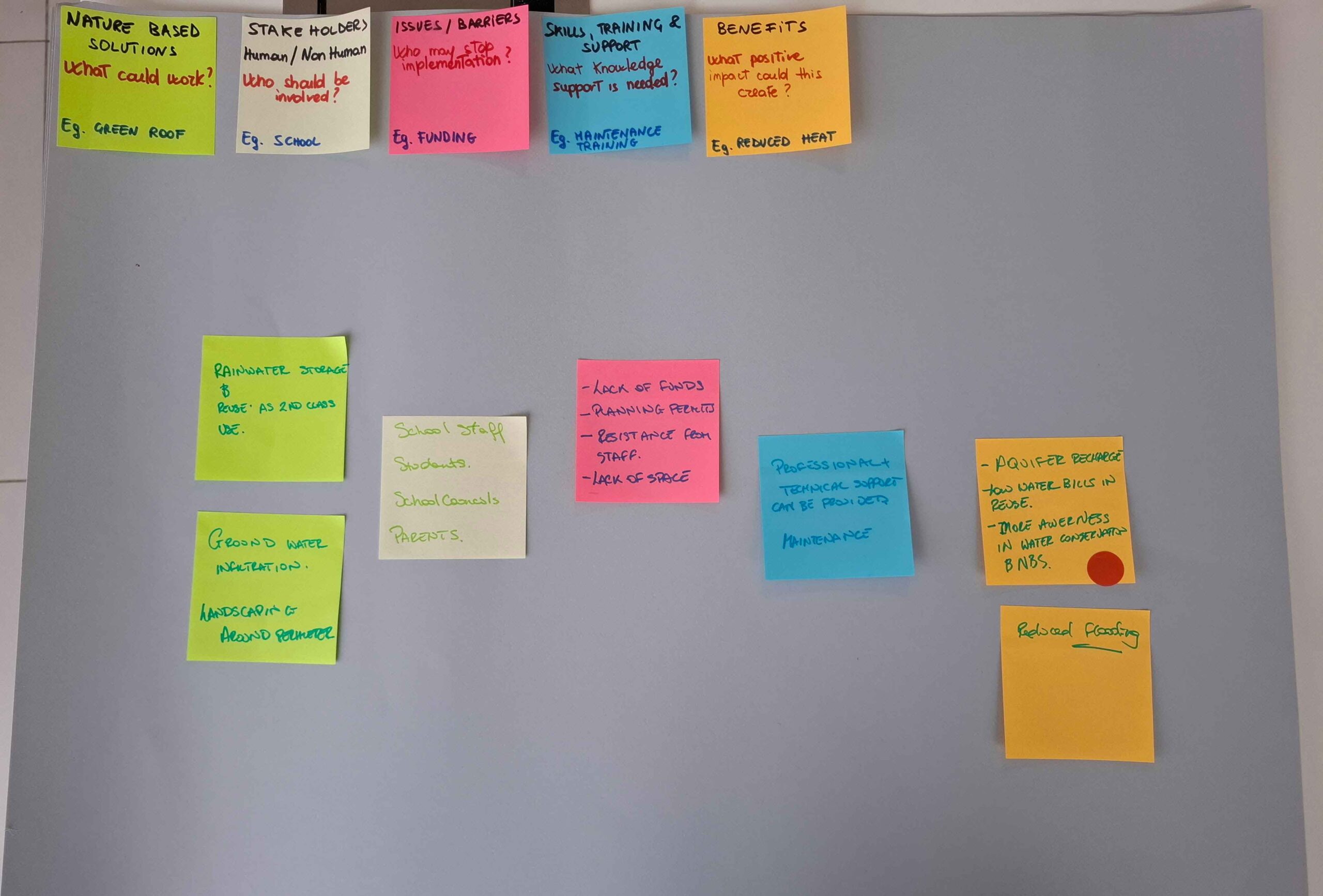
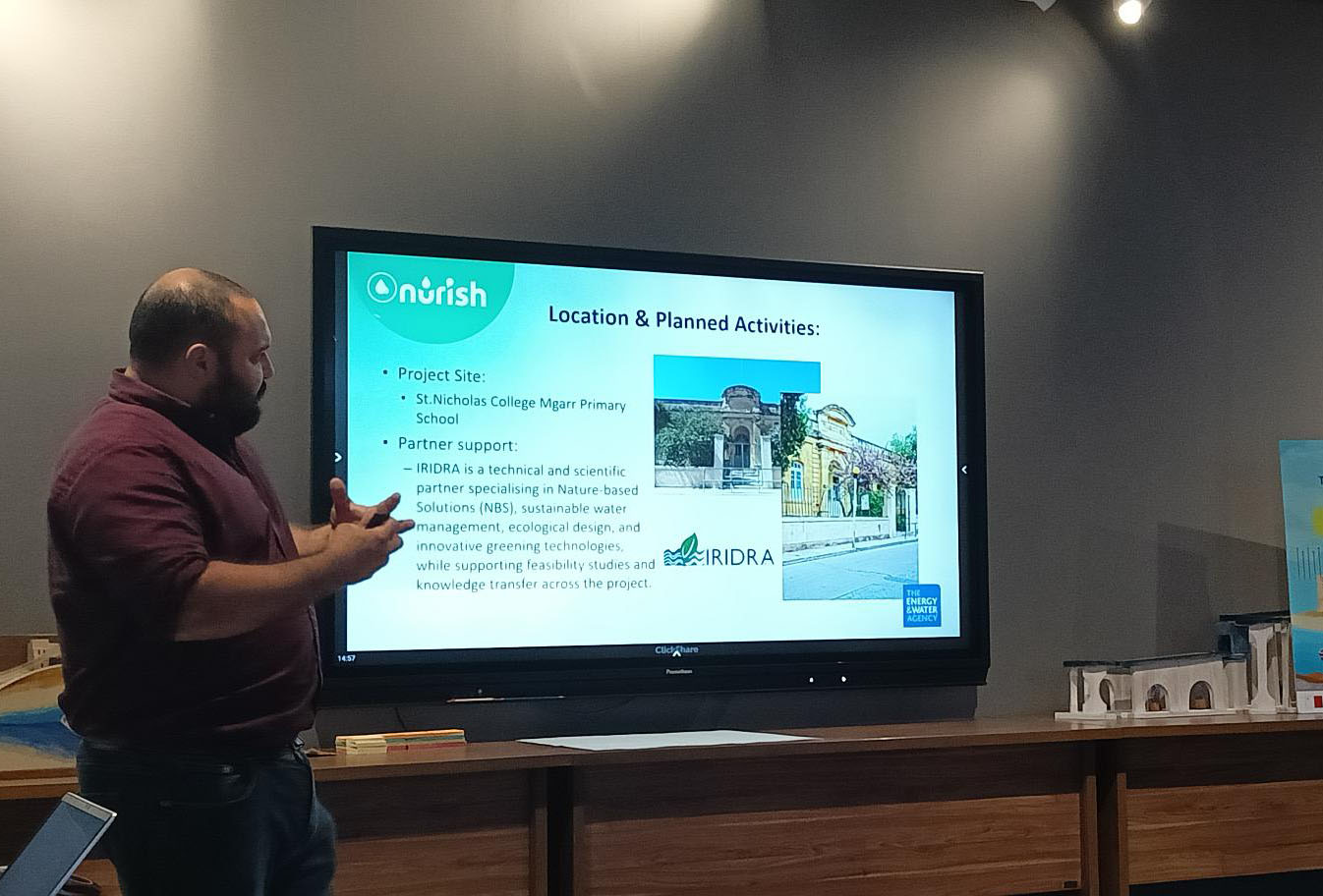
Several key themes emerged from the discussions. Stakeholders highlighted maintenance and long-term ownership as critical factors for the success of NbS interventions, stressing the need for skilled personnel and clear responsibilities after implementation. Educational opportunities were also identified as an important benefit, with schools seen as ideal spaces for demonstrating NbS while increasing environmental awareness among younger generations.
Participants further emphasised the value of practical and visible interventions, such as herb gardens and green spaces, capable of delivering both environmental and educational benefits. Another important conclusion was that integrating NbS measures during the planning and design stages of projects is often more effective than attempting to retrofit solutions into existing infrastructure.
The workshop also provided valuable insights into local capacity-building needs. Discussions highlighted the importance of strengthening knowledge related to climate adaptation planning, stakeholder coordination, sustainability integration, and the long-term management of nature-based interventions. Participants shared experiences from previous projects and reflected on how existing resources and infrastructure could support future NbS implementation.
Stakeholders expressed strong interest in continuing collaboration throughout the next stages of the project, particularly regarding planning processes, feasibility assessments, knowledge exchange, and opportunities for future upscaling.
Overall, the workshop provided valuable insights into local priorities, stakeholder perspectives, implementation considerations, and capacity-building needs, while strengthening dialogue and connections between participating organisations. The outcomes will contribute to the ongoing development of NURISH activities in Malta, helping to shape locally adapted pathways towards greater climate resilience and sustainable rural development.